.png)

Dogecoin still follows momentum-driven rallies, but moves are shorter, and selling comes faster now.
The launch of DOJE and progress around a Dogecoin ETF have changed how money flows into DOGE.
Ongoing supply growth remains a pressure point as hype slows.
Dogecoin has always been different from most cryptocurrencies. Neither deep technology upgrades nor strong financial use cases drove its biggest price rallies in the past. Instead, the memecoin grew through hype, social attention, and easy access for everyday traders. Many are wondering if DOGE can replicate the same rally patterns that once propelled it to record highs.
The short answer is that the pattern may return, but it is unlikely to look the same as before. Market structure, investor behavior, and regulation have all changed since Dogecoin’s most famous run.
Earlier Dogecoin price rallies followed a clear rhythm. First, the memecoin would stay quiet for a long time. During these periods, trading volume was low, and interest faded away. Many traders lost patience and moved on to other assets, which created a sense of boredom around Dogecoin.
In 2021, a bullish spark came from social media hype, celebrity comments, and a strong retail trading culture. When attention returned, it spread fast. Dogecoin’s simple image and low price made it attractive to new buyers who felt they were getting in early, even when they were not.
Once momentum started, the price often moved up very fast. Liquidity rushed in, and the rally became steep and emotional. However, these moves did not last long. When buying pressure slowed, selling increased sharply, and prices dropped just as quickly. This cycle happened more than once.
Also Read: Why Traders are Watching These Dogecoin Price Points
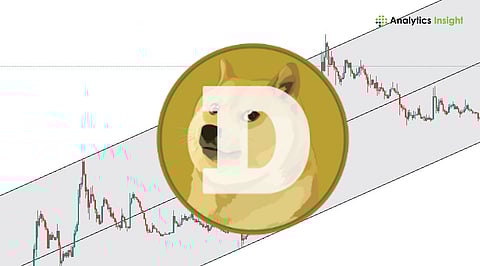
Dogecoin price is trading near $0.14 at press time. DOGE recently broke out from a short downtrend but failed to hold higher levels. Volume increased during the move, which suggests that many traders used the rally to sell rather than buy for the long term.
This type of price action is important. It shows that Dogecoin still reacts strongly to momentum, but sellers are quicker now. In earlier cycles, rallies could continue longer before heavy selling started. Today, profit-taking happens faster, and that changes the shape of each move.
One of the biggest differences compared to earlier cycles is the arrival of exchange-traded products tied to DOGE. A Dogecoin ETF called DOJE had already launched. Grayscale also introduced a Dogecoin trust, giving more traditional investors a way to gain exposure to the asset.
In January 2026, filings for a 21Shares Dogecoin ETF moved forward, with a prospectus dated January 9, 2026. Market reports suggested the product may trade under the ticker TDOG. At the same time, Dogecoin was included in broader US crypto index ETFs launched by 21Shares.
These products matter as they change how money flows into Dogecoin. Instead of only retail traders chasing hype, institutional investors can now access DOGE through structured products. This can support prices during risk-on periods, but it can also reduce extreme hype spikes as many investors rebalance rather than holding through big swings.
Dogecoin’s supply design has not changed. About 5 billion new DOGE are added each year, with no hard cap. In the past, this inflation did not stop rallies, as demand grew faster than supply during hype phases.
In a more mature market, this steady increase in supply becomes more visible. When attention fades, a new supply can add pressure to the price. This makes it harder for Dogecoin to hold gains for long periods unless demand keeps growing constantly.
Structured payments remain one of the most important narratives for Dogecoin. There has been ongoing discussion of large-scale crypto payrolls on X, but as of late 2025, no confirmed launch has occurred. This uncertainty keeps speculation alive, but it also causes repeated cycles of hope and disappointment.
Tesla also continues to influence Dogecoin sentiment. Tesla has accepted DOGE for some merchandise in the past, and recent market chatter suggests code changes that could expand Dogecoin payments again. Even small Tesla-related headlines tend to quickly bring back retail interest.
ETF headlines themselves have become a new kind of catalyst. Approval updates, trading launches, and fund inflows can trigger short-term rallies, similar to how celebrity tweets worked in earlier years. These moves, however, tend to be faster and more controlled.
Also Read: Dogecoin (DOGE) May Hit a New Low in Early 2026: Here’s Why
Dogecoin can still follow parts of its old rally pattern. Long quiet periods, sudden catalysts, and sharp breakouts are still possible. Recent price action already shows how fast Dogecoin can move when momentum returns.
However, repeating the scale of the 2021 rally is much harder now. More meme coins are competing for attention, traders are more experienced, and selling happens more quickly. Structured investment products also change how hype turns into price movement.
The most likely outcome is not one massive rally, but several shorter and sharper moves. Each surge may be driven by a specific headline or market shift, followed by fast pullbacks. Dogecoin still has the power to surprise the market, but the ride may feel more crowded and less forgiving this time.
1. Can Dogecoin repeat its 2021 rally?
A full repeat is unlikely, but smaller and faster rallies are still possible during strong market hype.
2. What role does the Dogecoin ETF play?
ETFs like DOJE allow easier access for traditional investors, which can boost demand during risk-on periods.
3. Is Dogecoin still mainly driven by hype?
Yes, social attention, headlines, and narratives still matter more than fundamentals.
4. Does Dogecoin’s unlimited supply affect price?
Yes, a steady new supply can limit long-term gains unless demand keeps growing.
5. What could trigger the next Dogecoin rally?
ETF news, payment integrations, or broader crypto market momentum could act as catalysts.
Join our WhatsApp Channel to get the latest news, exclusives and videos on WhatsApp
_____________
Disclaimer: Analytics Insight does not provide financial advice or guidance on cryptocurrencies and stocks. Also note that the cryptocurrencies mentioned/listed on the website could potentially be risky, i.e. designed to induce you to invest financial resources that may be lost forever and not be recoverable once investments are made. This article is provided for informational purposes and does not constitute investment advice. You are responsible for conducting your own research (DYOR) before making any investments. Read more about the financial risks involved here.
