.png)

Meme coin development turns internet culture and trends into coded financial value on the blockchain.
Meme coins rise and fall mainly on social hype, emotions, and community power rather than traditional fundamentals.
Regulation and structured token design are shaping meme coins into more serious digital assets.
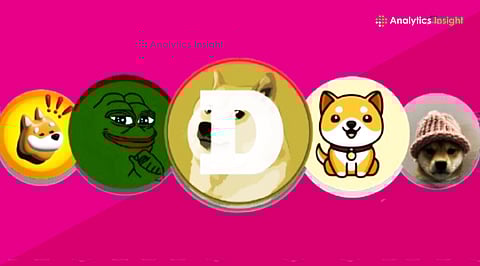
Meme coins started as jokes based on internet pictures, animals, and viral trends. Initially, they had no serious goal except sporadic growth and online attention. Over time, developers began turning these jokes into real digital assets using blockchain code. Smart contracts now control how meme coins are created, shared, burned, and traded.
Through this, Internet trends become financial code. What people like, share, and talk about online is transformed into tokens that can be bought and sold in markets. Online culture has become economic.
Meme coin development follows technical rules to align with community behavior. Some meme coins have large supplies and low prices, making people feel they own millions of tokens. This helps spread the meme fast on social media. Other meme coins use burning systems that destroy part of the supply to create scarcity and value.
Developers also add staking and reward systems to ensure that holders stay loyal to the project. These rules function like a language, written in code rather than words. Tools like liquidity locks, automated trading pools, and contract templates make it easy for new meme coins to launch in days, not months.
Also Read: Best Websites to Track Top Cryptocurrency Prices and Market Cap
Recent market data shows how strongly meme coins depend on emotions and trends. The total meme coin market value dropped from about $93.1 billion in January 2025 to around $36.5 billion in January 2026. This is a fall of nearly 61%.
This big change happened as hype slowed down and regulators became more active. When people lose interest in certain memes, prices fall very fast. When a meme goes viral, prices rise quickly. This shows that culture directly controls the flow of money in meme coin markets.
Governments and regulators are paying more attention to meme coins. The US Securities and Exchange Commission stated that many meme coins do not give investors the same legal protections as stocks or bonds. This warning made exchanges more careful about listing such tokens.
Developers are now trying to make projects look more serious by adding transparency and audits. Meme coins often exist in a grey area between online trends and investment. This situation forces developers to change how they write code and how they communicate with the public.
Meme coins are also moving into traditional financial systems. In 2025, a Dogecoin-based exchange-traded product was launched, giving investors a regulated way to access a meme coin without holding it directly.
This shows that internet culture is now packaged into financial products for large markets. A joke that started online became something traded like a stock product. This shift proves that meme culture can travel from social media into official financial structures.
Modern meme coins are more complex than early ones. Many include locked liquidity pools and vesting schedules for developers to prevent sudden crashes. Some projects connect meme coins with NFTs, games, and social reward platforms.
Users earn tokens for posting, sharing, and building communities. It makes participation equal to income. Engagement becomes measurable on blockchain and rewarded in tokens. This is why meme coin development is sometimes called social finance.
Political and celebrity involvement also affects meme coins. In 2025, several politically themed meme coins appeared and later collapsed. Reports of insider trading and unfair profits damaged trust. News and rumors can move prices quickly, making meme coins risky and unstable.
Developers now try to protect projects by adding limits and control systems, but emotions still drive most activity.
Also Read: Cryptocurrency Comeback: Key Drivers Behind the Market's Latest Surge
Meme coin development turns internet culture into financial code by using smart contracts to capture attention and turn it into value. Market data shows strong growth and sharp crashes, proving that culture and money are deeply connected. Regulation, financial products, and technical design are shaping the future of meme coins.
This process is creative but also dangerous, as emotions rule the market more than logic. Meme coins show how modern finance is being written not only by banks, but by memes and code together.
1. What is meme coin development?
Meme coin development is the process of creating digital tokens based on internet memes using blockchain technology and smart contracts.
2. Why are meme coins so popular?
Meme coins are popular as they are fun, easy to join, and driven by viral trends and strong online communities.
3. Are meme coins real investments?
Meme coins can be traded like other crypto assets, but they are highly risky and mostly influenced by hype and news.
4. How does Dogecoin relate to meme coins?
Dogecoin was the first major meme coin and showed how a joke-based token could gain real market value and global attention.
5. What is the future of meme coins?
The future depends on regulation, better token design, and whether communities can give meme coins long-term utility beyond hype.
