.png)

Proof of Work secures Bitcoin and directly influences transaction fees, confirmations, and trust in digital wallets.
Energy consumption of 170-175 TWh in 2025 shows how mining costs can shape the broader crypto economy.
Wallet security, privacy coins like Monero, and even anti-bot systems rely on PoW-based verification.
Proof of Work, or PoW, is a system where computers solve complex math problems to secure a network. The first computer that solves the puzzle is allowed to add a new block of transactions to the blockchain. This process requires electricity, hardware, and time. PoW helps prevent fraud and keeps the network secure. However, it is expensive and difficult to perform.
Most people connect Proof of Work only with Bitcoin, but its impact goes much further than the blockchain itself. It affects the working of digital wallets, the allocation of transaction fees, and the speed of payment confirmation. The effect of PoW is not only technical, but financial and practical and can be seen in daily cryptocurrency usage.
Bitcoin is still the largest Proof of Work network in the world. Estimates from 2025 place its yearly electricity use between 170 terawatt-hours and 175 terawatt-hours. This amount of energy is close to what some medium-sized countries consume. Reports suggest that slightly more than half of Bitcoin mining energy now comes from renewable sources, showing a shift toward cleaner power in certain regions.
Energy use matters because it directly affects costs. Miners must pay for power and equipment to keep operating. When these expenses increase, transaction fees also rise. Wallet holders feel the heat, especially during high network activity. Strong demand and mining costs together can lead to noticeable fee spikes.
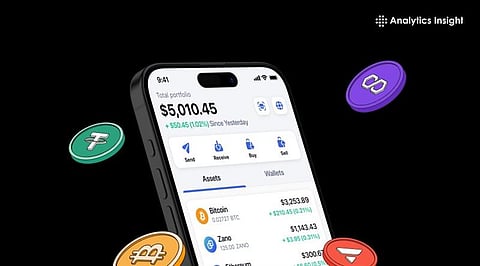
Digital wallets are not separate from Proof of Work. Many lightweight wallets use Simplified Payment Verification. Instead of downloading the entire blockchain, they rely on block headers secured by PoW. The safety of balances shown in the wallet depends on the strength of that computational work.
When miners add new blocks, confirmations increase. Each confirmation makes a transaction more secure. Wallet interfaces usually display confirmation numbers to help users confirm that funds are safe. This visible feature is completely powered by the mining process behind the network.
If mining difficulty changes or a network upgrade happens, wallets must adjust. These updates can affect the speed of transaction settlement and the calculation of fees. This explains how Proof of Work directly shapes wallet performance and user experience.
Also Read - Bitcoin SOPR Climbs Above 1.0 as Market Tests Key Resistance Levels
Bitcoin is not the only cryptocurrency that uses Proof of Work. Monero also uses this system and is known for its strong privacy features. Recently, interest in Monero has increased, especially in places where people want more financial privacy. Regulators and law enforcement agencies are paying closer attention to it because of this growth.
Monero sometimes updates its mining system to make sure regular computers can still mine it, instead of only expensive machines. These updates can affect how fast transactions get confirmed and how exchanges handle deposits. When exchanges change their rules, wallet users might experience delays or temporary limits.
Proof of Work is also applied outside of traditional blockchain networks. Some websites use small computational puzzles to prevent automated attacks. These systems make spam more expensive while staying almost invisible to regular users.
There is also research into what is called ‘useful’ Proof of Work. Some experimental projects try to connect mining with scientific research or artificial intelligence tasks. Hybrid mining models that integrate blockchain security with external computing services sparked debate in the crypto space in 2025. Supporters see possible efficiency benefits, while critics question whether it really works in practice.
Energy forecasts for 2026 and 2027 show growing electricity demand from data centers, AI systems, and cryptocurrency mining. As pressure on power grids increases, governments are reviewing policies related to mining operations. Rules on taxes, environmental impact, and reporting vary across countries.
When regulations change, miners sometimes move to new regions. This relocation can affect network conditions. Changes in mining distribution may affect transaction speeds and cost structures, which again impact wallet users worldwide.
Also Read - Bitcoin: Is This the Start of a Never-Ending Fall?
Proof of Work is not just a hidden technical process. It determines the security of your funds, the time taken for confirmation, and the cost of crypto transfers. Electricity consumed by mining machines connects directly to the experience of using a digital wallet.
As discussions about sustainability continue, PoW stays central to major cryptocurrencies. Its impact goes far beyond the blockchain through security, privacy, fees, and regulation. In real terms, the work performed by miners becomes part of every transaction, shaping how digital money functions in everyday life.
What is Proof of Work in simple terms?
Proof of Work is a system where computers solve complex puzzles to validate transactions and secure a blockchain network.
How does Proof of Work affect digital wallets?
Wallets rely on PoW-secured block confirmations to verify balances, calculate fees, and ensure transaction finality.
Why does Bitcoin use so much electricity?
Mining requires powerful machines that run continuously to solve mathematical problems, resulting in an annual energy use of 170-175 TWh in 2025.
Are there any other cryptocurrencies that use Proof of Work?
Yes, cryptocurrencies such as Monero also use PoW to maintain decentralization and enhance privacy features.
Is Proof of Work used outside of blockchain networks?
Yes, small-scale PoW systems are used in anti-spam tools and security systems to prevent automated abuse online.
Join our WhatsApp Channel to get the latest news, exclusives and videos on WhatsApp
_____________
Disclaimer: Analytics Insight does not provide financial advice or guidance on cryptocurrencies and stocks. Also note that the cryptocurrencies mentioned/listed on the website could potentially be risky, i.e. designed to induce you to invest financial resources that may be lost forever and not be recoverable once investments are made. This article is provided for informational purposes and does not constitute investment advice. You are responsible for conducting your own research (DYOR) before making any investments. Read more about the financial risks involved here.
