.png)

Electric vehicles remove oil changes but shift attention to batteries, tyres and electronics.
Brake wear slows down through regenerative braking, though inspection still matters.
Running costs are generally lower, but savings depend on driving conditions and access to trained technicians.
A car with no engine oil to change sounds unusual. However, that is the daily reality for electric vehicle owners today. The shift from fuel-driven cars to battery-powered ones has quietly rewritten the maintenance rulebook. EVs do not eliminate maintenance. They move it away from engine wear and toward battery health, electronics, tyres, and preventive checks.
A traditional car runs on hundreds of moving components. Pistons, belts, spark plugs and exhaust systems all wear down over time. An electric motor has far fewer parts, so there is less that can break down. This single difference explains why EV owners generally report fewer visits to service centers.
Petrol and diesel cars depend on engine oil to keep metal parts cool and lubricated. Skip an oil change, and the engine suffers. Electric cars have no combustion engine, so this task disappears entirely.
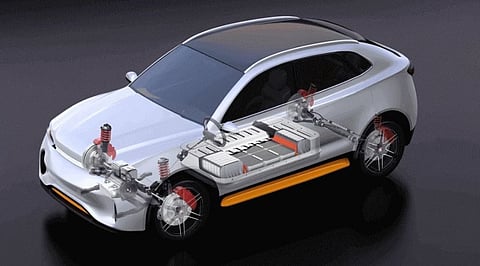
In its place comes battery monitoring. The battery pack is the single most valuable part of an EV, so its temperature, charge cycles and overall condition get regular attention. This rarely means opening the battery pack.
Technicians generally use diagnostic tools to look for warning signs, charging faults and unusual performance changes. Most owners simply need to follow the manufacturer's charging guidelines.
Engines that run on petrol produce a lot of heat and thus require radiators to be safe. Electric cars also need cooling, but this is done for a totally different purpose. This is because the battery of the car performs well when the temperatures are within certain ranges.
Depending on the car’s build, the coolant is either in liquid form or in other systems that help maintain the battery and engine at safe temperatures.
The traditional system wears out due to continuous friction. However, in electric cars, the braking is based on a principle called regenerative braking, whereby the motor slows down the car while charging the battery with electricity. The strain on the physical brake pads is thus minimized, prolonging the time until replacement.
There is a drawback here, however. Brake pads that have not been used enough may rust or wear unevenly.
Electric cars tend to weigh more due to heavy battery packs, and they deliver instant torque from a standstill. Both factors increase tyre wear and put extra strain on suspension components. Owners often need tyre rotations sooner than they would with a similar-sized petrol car, and suspension parts may need closer monitoring over time.
A detail many owners overlook: most EVs still carry a conventional low-voltage battery that powers essential electronics, displays and locking systems. If this smaller battery fails, the car may not start or respond normally, even when the main battery is fully charged. It is a small, inexpensive part that can still cause an inconvenient morning.
EVs generally require fewer routine maintenance tasks, though exact intervals vary by brand, climate and driving conditions. While petrol cars need regular oil changes and engine-related inspections, EV servicing leans more on tyres, brakes, battery systems, coolant and software updates.
A gap that often goes unmentioned is workforce readiness. Traditional mechanics have decades of training in engine repair, but EV systems involve high-voltage components and specialized diagnostic tools. Not every local garage is equipped to handle this yet, so EV owners sometimes travel further or rely on manufacturer-authorized centers.
Also Read: Tata Punch EV vs. Nexon EV: Is the Bigger Battery Worth the Extra Cost for Your Commute?
Fewer fluid changes and fewer worn parts generally bring down the total maintenance bill over an EV's lifetime. The actual savings differ by owner. City driving with frequent braking benefits more from regenerative braking's lighter brake wear.
Rough roads and highway use can push up tyre and suspension costs. Battery replacement remains the one major expense to watch, though battery prices have broadly fallen as technology matures.
Also Read: VinFast EV Technology Explained: Battery, Charging and Connectivity
EV service networks will grow as more electric cars hit Indian roads. Technicians will get better training too. Over time, the gap between EV and petrol car maintenance will likely shrink. For now, EV owners deal with a different kind of upkeep. It centers on electronics and preventive checks, not engine wear.
1. Do electric vehicles need servicing like petrol cars?
Yes, but the focus shifts. Engine-related tasks disappear, while battery checks, tyre care and software updates take priority.
2. How often should an EV be serviced?
Intervals vary by manufacturer and driving conditions. Owners should follow the specific schedule set by their vehicle's maker rather than relying on general estimates.
3. Do EV brakes need less maintenance?
Regenerative braking reduces wear on brake pads, often extending their lifespan. Regular inspection still matters, since reduced use can lead to rust or uneven wear.
4. Is the EV battery pack opened during routine service?
Rarely. Technicians typically run diagnostic scans to check for faults, charging issues or unusual performance rather than physically inspecting the battery pack.
5. Are EVs cheaper to maintain overall?
Generally, yes, due to fewer moving parts and fluid changes. Actual savings vary based on driving style, road conditions and access to trained technicians.