.png)

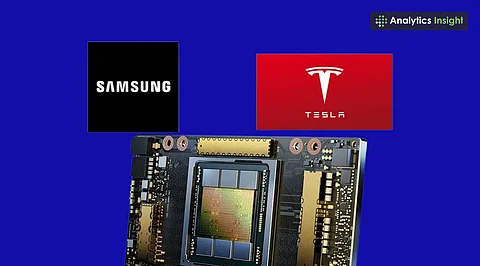
Tesla is expanding its partnership with Samsung to build its next-generation AI6 chips. These chips are expected to power self-driving cars, humanoid robots, and large AI systems. This is not just another supply deal. It reflects Tesla’s strategy of moving beyond electric vehicles.
The company plans to gain control over the technology that will drive its future. The move is getting attention because of its scale. It also raises questions about how it will impact Samsung’s chip business in the long run.
Tesla's partnership with Samsung has already established a major agreement, which is currently valued at between 16 billion and 17 billion dollars. The company now aims to expand its operations beyond its current activities.
Samsung had initially planned to manufacture 16,000 AI6 wafers each month for Tesla. However, the latest information suggests that Tesla aims to increase its production to almost 40,000 wafers per month. The production increase highlights the chip’s growing significance for the company.
The upcoming Tesla development will depend on the AI6 chip, which serves as its main component. The technology will enable Full Self-Driving operation and provide power to the Optimus robot and process essential artificial intelligence tasks at data centers. The chips will function as the central processing unit that will drive Tesla's mission forward.
Tesla is securing supply at a massive scale to prevent future shortages. At the same time, it is building its own AI ecosystem rather than relying heavily on external partners.
For Samsung, this deal could be a huge win, but it also comes with pressure. The company has been trying to grow its foundry business and compete with top chipmakers. A client like Tesla gives it a strong boost.
The company achieves optimal factory efficiency through increased order volume, which generates continuous revenue streams. The advanced chip manufacturing field receives a major boost from the company, which helps Samsung maintain its competitive edge in this area.
The production of these chips requires advanced technology because Samsung experiences delays with its new manufacturing methods. The company will face difficulties if it cannot fulfill Tesla's requirements because this situation will impact both organizations.
The business opportunity presents substantial potential, but the projected results exceed actual market expectations. The partnership will succeed through Samsung's ability to provide reliable results throughout the entire evaluation period.
Also Read: Tesla Semi Gets a Date: Musk Confirms Mass Production in 2026
The company's operations have expanded beyond its original mission as a car manufacturer. The company has transformed itself into a technology enterprise that develops artificial intelligence solutions through its hardware and software products.
Samsung is playing a more crucial part in the global semiconductor sector. The organization faces increased obligations and higher risks because of its elevated position. The agreement reflects a growing global trend. Companies want more control over their AI tools, especially the chips that power them.
