.png)

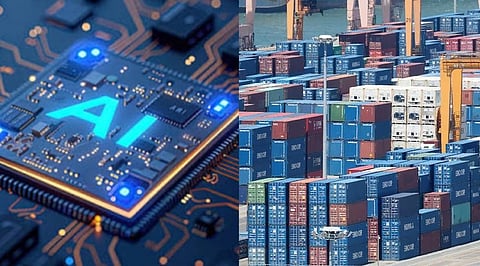
South Korea's exports have crossed USD 1 trillion for the first time. It hit the mark on November 19, 2026. Only Germany, the United States and China had done this before. Computer chips led the rise, as firms around the world spend more on AI. The result shows how much the AI boom is changing global trade.
Chip exports reached nearly USD 397 billion from January to October. That is about 42.7% of all the country's exports. Memory chips are now its top product by a wide margin.
Demand for DRAM and NAND chips is high since AI servers and data centers need them. Chip prices have also gone up, which has helped Samsung Electronics and SK Hynix earn more.
Other sectors also contributed, with ships, petrochemicals, cosmetics, medicines and defense goods recording strong overseas sales.
Also Read: South Korea Turns to Glasses Checks as AI Cheating Scandal Deepens
Most households have not felt the boom. Prices are high, interest rates are high, and the stock market keeps swinging. Most of the export gains went to big tech firms. Many people now ask how widely the money will spread.
President Lee Jae Myung welcomed the news. He wants small firms, workers and local regions to share the benefits. The government plans to support traditional industries while investing in AI, biotech and other emerging sectors.
The risks are real since South Korea relies heavily on chips. If chip prices fall or AI spending slows, exports could drop fast. Chinese makers are also catching up. Higher US tariffs and tensions between countries could hurt supply lines and cut demand.
The government expects exports to stay strong into 2027, as AI spending continues. But holding this pace will take more than chips. South Korea needs to grow other industries and lift spending at home. Only then will the record numbers help ordinary people, not just a few big firms.