.png)

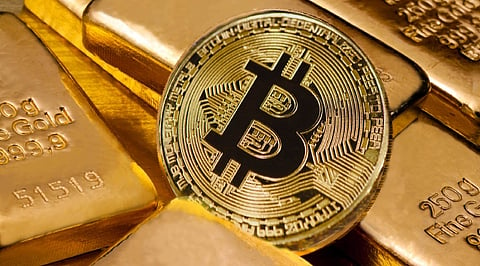
Gold and Bitcoin suffered renewed selling pressure as rising US real yields and a strengthening dollar reduced the appeal of non-yielding assets. Gold declined nearly 3% to USD 3,514 per ounce, while Bitcoin traded around USD 61,900. Meanwhile, prominent gold advocate Peter Schiff described the metal's decline as a buying opportunity but maintained that Bitcoin could suffer further losses.
The downturn extended across financial markets, with equities, commodities and several currencies experiencing considerable pressure. Gold attracted particular attention as its price reached the lowest level since early September 2025, despite its traditional reputation as a safe-haven asset.
Gold has experienced a sustained decline since reaching approximately USD 4,150 on November 10. The precious metal has lost 15% during the current quarter. Meanwhile, Bitcoin has recorded a steeper quarterly decline of 28% following substantial losses earlier this month.
Both assets lack inherent yields, earnings, and underlying cash flows. As government bonds offer increasingly attractive inflation-adjusted returns, holding assets that generate no regular income becomes relatively less appealing.
Data from ING shows that US two-year real rates have climbed above 2.40%, reaching their highest level since 2023. These rates represent the difference between interest rate swaps and zero-coupon inflation swaps.
Longer-term borrowing markets have followed a similar trajectory. Robin Brooks, a senior fellow at the Brookings Institution, reported that 10-year and 30-year real yields were hovering near their highest levels in more than two decades.
Lewis Huang, an analyst at cryptocurrency exchange Bitget, warned that further increases could prolong the downturn.
“Gold could also struggle if real yields keep climbing. For bitcoin, a break below the weekend low near USD 62,000 could extend the sell-off,” Huang told CoinDesk in an email.
ING attributed part of the selling pressure across precious metals to rising real interest rates. The financial institution also identified weakness in currencies associated with these markets, including the South African rand and Thai baht.
At the same time, higher real yields have supported the US dollar. The Dollar Index, which measures the greenback against a basket of major currencies, hovered near 103.80, its highest level since April 2025.
A stronger dollar can make dollar-denominated assets more expensive for international investors. Combined with increasing returns from government bonds, this creates another challenge for gold and Bitcoin.
Expectations surrounding Federal Reserve monetary policy have also contributed to the current market environment.
Investment banking giant JPMorgan anticipates three consecutive interest rate increases, citing persistent inflation. The bank expects the Federal Reserve to raise rates by 25 basis points in December, followed by similar increases in January and March 2027.
Read More: Bitcoin, Gold Funds Draw USD 7 Billion in Five Days: What’s Driving Investor Demand?
Despite simultaneous declines across both assets, Schiff has expressed contrasting views about their prospects. The longtime Bitcoin critic maintains that gold should not have fallen and considers its current valuation an opportunity to purchase the metal.
Schiff believes Bitcoin has not declined sufficiently. He regards its current price as an opportunity to sell rather than accumulate the cryptocurrency, consistent with his previous calls for investors to rotate into gold.
Nevertheless, Bitcoin has previously defied his expectations. Both assets rallied after US Treasury Secretary Scott Bessent announced plans to nearly double government bond buybacks.
Gold subsequently surrendered those gains, while Bitcoin retained its recovery. During an appearance on The Wolf of All Streets podcast, Schiff acknowledged his surprise at Bitcoin's resilience, as Moneywise reported.
The gold advocate nevertheless maintains his projection of new Bitcoin lows. He also suggested that Washington could become less supportive of cryptocurrency in the coming months.
Schiff attributed part of Bitcoin's previous appreciation to the technology sector rally that lifted large-cap stocks. Under his assessment, weakening technology stocks could expose the cryptocurrency to further selling pressure.
Gold and Bitcoin remain under pressure as rising real yields, persistent inflation and dollar strength reshape investment demand. While Peter Schiff considers gold's decline a purchasing opportunity, he anticipates further Bitcoin losses. Federal Reserve interest rate decisions remain central to the outlook for both assets.