.png)

A Chinese university with military links purchased Nvidia H200 AI chips in October despite US export restrictions. Northwestern Polytechnical University in Xi'an, China, bought two processors through a local technology supplier. The purchase raises fresh questions about Washington's efforts to stop restricted AI chips from reaching sensitive institutions.
According to procurement records reported by Reuters on November 11, the university paid 874,700 yuan, or approximately USD 123,000, for the two Nvidia H200 chips. The university purchased them from Shaanxi Bosuan Network Technology instead of buying directly from Nvidia.
Northwestern Polytechnical University belongs to China's Seven Sons of National Defense group. These universities maintain close connections with China's defense industry and military research programs. The US Commerce Department added Northwestern to its Entity List in 2001. Washington tightened restrictions in 2019 over concerns about missile development and military research.
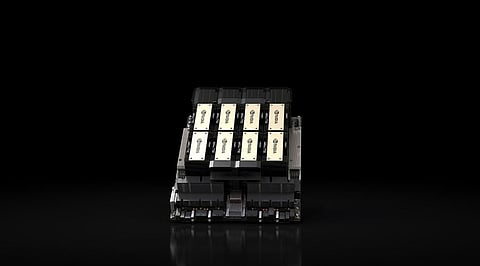
The Nvidia H200 is among the company's most powerful chips for artificial intelligence workloads. These processors help researchers train AI models and handle complex computing tasks. US export rules normally prevent blacklisted institutions from receiving such restricted technology.
However, the university also accessed powerful Nvidia processors through separate computing service contracts. Its cybersecurity school signed two seven-month contracts in January for H200-powered servers. Each contract covered access to eight H200 chips for AI model training and other research.
The procurement records also mention rented servers containing Nvidia A100 and A800 processors. US restrictions prohibit exports of these chips to Chinese entities. This shows how local technology companies can provide access to restricted computing resources.
Northwestern is not the only Chinese institution appearing in these records. Reuters reviewed 26 procurement and corporate records involving restricted Nvidia chips. Shenzhen University purchased three H100 processors worth 769,800 yuan in September. Wuhan University of Technology and Beihang University also acquired restricted Nvidia hardware.
The wider purchases raise concerns about gaps in US export controls. Chinese suppliers can offer restricted processors through direct sales or rented computing services. However, the records do not establish where the chips originated or how they entered China.
The development also brings fresh attention to Nvidia CEO Jensen Huang. Huang has supported continued US chip sales to China to maintain American technology leadership. Several US lawmakers argue that advanced AI chips could strengthen China's military capabilities.
Three Republican committee chairmen have requested a briefing with Huang on November 18. They want answers about his reported contacts with an alleged Chinese intelligence operative. Nvidia and the university did not respond to Reuters' requests for comment.
The purchases highlight a growing challenge for Washington as AI competition intensifies. Export restrictions remain difficult to enforce when domestic suppliers provide alternative access to advanced technology.
Also Read: 600,000 NVIDIA H200 Chips Wait in Hong Kong as China Holds Back Approval