.png)

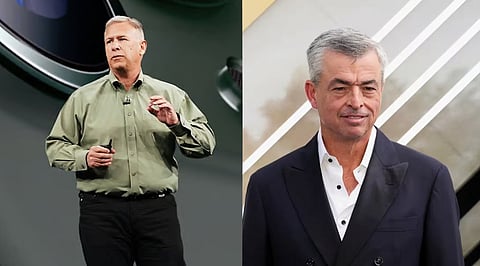
Apple is making another significant change to its leadership structure, with longtime executive Phil Schiller stepping away from his remaining operational responsibilities, including oversight of the App Store and the company’s product events.
Schiller will remain with Apple as an Apple Fellow, allowing him to continue working on long-term projects while stepping back from day-to-day management. The move marks the end of an important chapter for an executive who was closely associated with some of Apple’s biggest product launches.
The App Store will now move back under Apple's Services division, headed by Eddy Cue. Cue previously oversaw the business before Schiller took responsibility for it in 2015. Cue has been a key figure in Apple's services strategy, overseeing businesses such as Apple Music, iCloud, Apple TV, Apple Pay and Apple Ads. He also played a major role in creating the App Store when it launched in 2008.
The shift places the App Store within the wider Services organization at a time when digital purchases, subscriptions and other online services have become increasingly important to Apple's business.
For Apple, the move could also be significant from a regulatory perspective. The App Store faced scrutiny from regulators and governments around the world over issues including competition, app distribution and payment policies.
While Eddy Cue will oversee the App Store at the leadership level, Carson Oliver will handle its daily operations. Apple is also changing the person responsible for its highly watched product events. Nola Weinstein will take over Apple's events function, replacing Schiller in this role.
Communications oversight will also be handled by Kristin Huguet Quayle as part of the updated structure.
Schiller joined Apple in 1987 and became one of the company's most recognisable executives. He worked closely with Steve Jobs and played a prominent role in marketing and product launches involving the iPhone, iPad, Mac, Apple Watch and other major products.
In 2020, Schiller stepped down as Apple's senior vice president of Worldwide Marketing and became an Apple Fellow. He continued to oversee the App Store and Apple Events until this latest transition.
Also Read: Tim Cook’s 15 Years at Apple: Key Numbers Behind His Legacy
For customers, there should be no immediate change to how the App Store works. Apps, purchases, and developer submissions are expected to continue normally. The bigger impact is likely to emerge over time as Apple's Services division takes greater responsibility for the App Store.
With Apple undergoing a broader leadership transition, the latest reshuffle signals another step toward a new generation of executives taking control of the company's key businesses.
