.png)

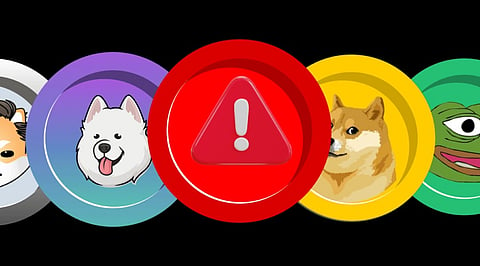
Memecoin launches promise rapid gains, but blockchain data shows how frequently speculation ends in losses. In October 2026, investors evaluating new tokens face risks extending beyond price volatility, including removable liquidity, concentrated ownership, manipulated trading and malicious contract permissions.
An October 2026 Bitquery investigation tracked nearly 2.9 million ordinary wallets buying newly launched Solana memecoins across ten sampled launch weeks. Within two weeks, 74% held less SOL than they initially spent, after fees. Their combined net losses approached USD 269 million.
A separate Bitquery analysis counted 11.5 million Solana tokens traded between November 2025 and early October 2026. Approximately 79% of Pump.fun launches recorded no trades after their first day. These figures describe sampled trading outcomes and token survival, not proof that every failed launch was fraudulent.
A rug pull can occur when insiders withdraw assets from a decentralized exchange pool, leaving buyers unable to exit at reasonable prices. Examine liquidity depth, ownership of liquidity positions, lock expiration dates and whether developers retain withdrawal authority.
Bitquery found that 89% of approximately 1.02 million Meteora DAMM v2 pools examined were eventually drained below 1% of their original SOL. Researchers cautioned that an emptied pool alone does not establish fraud.
Use a blockchain explorer to identify major holders and examine whether multiple wallets appear funded by the same source. Large insider allocations can create abrupt selling pressure even when a project's reported market capitalization looks impressive.
Review contract permissions for unlimited minting, transfer restrictions, blacklisting or adjustable transaction taxes. A honeypot may permit purchases while preventing sales. Independent audits and locked liquidity reduce certain risks but never guarantee safety.
Rapid price appreciation accompanied by repetitive wallet transactions may indicate wash trading rather than genuine demand. Verify token addresses through independent sources and treat celebrity endorsements, guaranteed returns and countdown-driven promotions cautiously.
An October 2026 LaunchWatch study flagged 500 potentially manipulated Pump.fun tokens since October 7. Among resolved cases, 80% collapsed, with a median interval of 20 minutes after detection. The findings concern flagged tokens, not the entire memecoin market.
Why this Matters
Recent on-chain research suggests losses are widespread, not exceptional. Understanding liquidity controls and wallet behavior helps traders distinguish ordinary speculation from warning signs of manipulation before a sudden collapse leaves tokens difficult to sell.
Before purchasing, compare liquidity, holder distribution, contract privileges and genuine trading activity. Avoid connecting wallets to unfamiliar websites or signing unexplained approvals. No screening method eliminates losses, but independent verification can expose avoidable risks before capital is committed. Risk indicators become more meaningful when assessed together.
Also Read: AI Crypto Games Could Trigger Memecoin Frenzy, Warwick Warns
1. How can investors identify memecoin scams before buying?
Investors should examine liquidity locks, token holder distribution, smart-contract permissions and trading activity before purchasing newly launched memecoins. Concentrated ownership, removable liquidity, suspicious wallet transactions and unrealistic profit promises are important warning signs.
2. What is a memecoin rug pull, and how does it work?
A rug pull occurs when developers or insiders abruptly withdraw liquidity, sell substantial token holdings or otherwise exploit a project, causing significant investor losses. Tokens with unlocked liquidity and highly concentrated ownership may be particularly vulnerable to manipulation.
3. Why do so many Solana memecoin traders lose money?
An October 2026 Bitquery investigation found that 74% of approximately 2.9 million sampled Solana memecoin buyers experienced net losses within two weeks. Extreme volatility, transaction costs, concentrated ownership and rapidly declining liquidity can contribute to these losses.
4. How can traders identify fake trading volume in memecoins?
Traders can examine blockchain transactions for repetitive trades, interconnected wallets and unusually high trading volumes unsupported by genuine market participation. Comparing trading activity, liquidity depth and wallet distribution can help identify potential wash trading or artificial price manipulation.
5. Are liquidity-locked and audited memecoins safe investments?
Liquidity locks and independent smart-contract audits can reduce certain risks, but they do not guarantee investor protection. Developers or large holders may still sell significant token allocations, while market manipulation, contract vulnerabilities and extreme price volatility can cause substantial losses.
Join our WhatsApp Channel to get the latest news, exclusives and videos on WhatsApp
_____________
Disclaimer: Analytics Insight does not provide financial advice or guidance on cryptocurrencies and stocks. Also note that the cryptocurrencies mentioned/listed on the website could potentially be risky, i.e. designed to induce you to invest financial resources that may be lost forever and not be recoverable once investments are made. This article is provided for informational purposes and does not constitute investment advice. You are responsible for conducting your own research (DYOR) before making any investments. Read more about the financial risks involved here.
