.png)

Oil-filled heaters suit larger rooms and long hours of quiet, steady heat.
Ceramic heaters offer quick warmth and work well in compact spaces.
Fan heaters provide affordable, instant heat for small rooms and short periods.
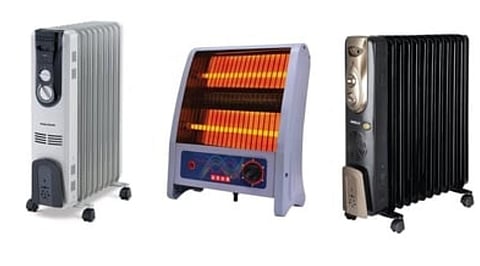
Choosing the right winter room heater depends on how quickly you need warmth, how long you plan to run it, and the size of your space. While ceramic and fan units deliver quick, targeted heat, oil-filled radiators retain warmth long after the machine is turned off. Price, maintenance, noise, and warranty are other factors that affect the final choice. Here are nine room heaters that you can consider purchasing for winter.
Oil-filled radiators work well in bedrooms and in medium to large rooms that need steady warmth. Electricity heats the oil sealed inside the metal fins, and the oil passes that heat to the room. The warmth lingers for a while even after the heater finishes its heating cycle. Most models run quietly.
Havells Hestio OFR is a premium pick for larger rooms. Its 13 fins offer a wide surface for spreading heat, and the radiator format is built for long hours of use. At around Rs. 16,999, it is positioned as a premium option suitable for homes that need steady warmth through cold nights.
Philips 11-fin oil-filled radiator is another premium option. It pairs the radiator with a PTC fan for extra heat output, and the fan moves warm air around the room faster than a radiator can manage alone. The machine is listed at Rs. 14,595.
Morphy Richards OFR 11F has 11 fins and a lower listed price of about Rs. 9,292. The design works for bedrooms and other spaces that need warmth for long stretches. The main drawback is the slow start, since oil-filled heaters take time to reach full heat.
Also Read - Best Energy-Efficient Room Heaters to Buy in India in 2026
Ceramic heaters make heat with PTC ceramic elements and use a fan to push it into the room. They warm up much faster than oil-filled radiators, which suits short sessions in compact spaces. However, fan noise is the usual complaint.
Havells Solace PTC Ceramic Heater is a compact choice for quick warmth. The PTC design is suitable for small rooms and personal spaces where quick heating matters more than holding it for long. It can take the chill off a study area or a bedroom before bedtime, and it is easy to carry.
Usha FH 3628 PTC Ceramic Heater has two heat settings: 1,000 watts and 1,800 watts. A thermostat and safety cut-offs give better control and help prevent overheating. The compact body is ideal for a study room or a small bedroom.
Philips CX4100 PTC ceramic room heater is for buyers who want a modern ceramic heater for small spaces. The PTC design delivers heat quickly, and the size works for personal use around the house. It comes with a built-in humidifier that prevents dryness and keeps you warm.
Fan heaters have an electric heating element and a blower that sends warm air into the room. They generally cost less than oil-filled radiators. They are handy on cold mornings, but the fan can be noisy, and the room cools soon after the heater is switched off.
Bajaj Blow Hot Fan Heater is a decent choice for quick, direct heat. Its compact build suits small rooms and personal spaces where warmth is needed for a short time. The listed price is around Rs. 2,349. It suits buyers who want a basic heater without overspending.
Orpat OEH-1220 fan heater has two settings: 1,000 watts and 2,000 watts. The low price and simple design make it a common choice for small rooms. Running the higher setting for long hours every day will, however, push up the electricity bill.
Orient Electric Glint 2000W fan heater delivers up to 2,000 watts in a compact body. That output is enough for quick spot heating in small rooms and personal areas. At around Rs. 1,729, it is one of the cheapest in this list. It is meant for short, direct heat.
Also Read - Top Infrared Heaters to Buy in 2025: Best Picks
Wattage gives a fair idea of how much power a heater uses. A 1,000-watt heater burns about one unit of electricity per hour at full power, and a 2,000-watt model burns about two. At Rs. 8 per unit, that works out to nearly Rs. 8 and Rs. 16 an hour. Real costs can come out lower when a thermostat switches the heating element on and off.
Safety needs equal attention. A good heater should have tip-over protection, a thermal cut-off and a thermostat. It should be kept away from curtains, blankets, clothes and anything else that can catch fire. A wall socket with the right power rating is safer than an extension cord. A heater should never be covered or left running unattended.
The best pick depends on the room and how long the heater will run. Havells Hestio 13 Fin OFR suits long hours of heat, the Usha FH 3628 PTC suits quick warmth, and the Orpat OEH-1220 suits a tighter budget. A heater matched to the room size and daily routine gives better comfort without wasting power.
1. Which type of room heater is best for winter 2026?
Oil-filled heaters suit long hours of heat, ceramic heaters work well for quick warmth, and fan heaters offer an affordable option for short periods.
2. Are oil-filled heaters better than ceramic heaters?
Oil-filled heaters retain heat longer and operate quietly, while ceramic heaters warm small spaces faster. The right choice depends on room size and daily use.
3. Which room heater uses less electricity?
Electricity use depends mainly on the heater's wattage and operating time. A 1,000-watt heater uses about one unit per hour at full power.
4. Are ceramic heaters safe for bedrooms?
Ceramic heaters can suit bedrooms when used with proper safety features, such as tip-over protection and thermal cut-offs. Keep them away from bedding and curtains.
5. Which room heater is best for a tight budget?
Orpat OEH-1220 and Orient Electric Glint 2000W offer budget-friendly options for quick, short-term heat in small rooms.