.png)

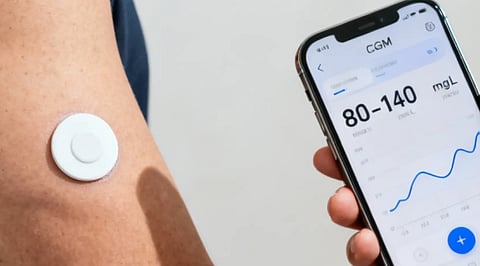
Continuous glucose monitoring (CGM) gives healthcare providers real-time glucose data, moving diabetes care beyond A1C averages to reveal daily patterns and support more personalized treatment decisions.
Clinicians use standardized reports and key metrics such as Time in Range (TIR), Time Below Range (TBR), Time Above Range (TAR), and the Ambulatory Glucose Profile (AGP) to optimize medications, insulin dosing, and lifestyle recommendations.
AI-powered analytics, EHR integration, and remote patient monitoring help providers identify risks earlier, coordinate multidisciplinary care, and shift diabetes management from reactive treatment to proactive, data-driven care.
Every treatment decision in diabetes care comes down to the data behind it. For years, doctors relied on A1C, one number that summed up months of blood sugar. However, it missed the daily highs and lows that put patients at real risk. Two people could have the same A1C score and still need totally different care.
Continuous glucose monitoring changed that. It tracks up to 288 readings a day, giving doctors a real look at how a patient's body behaves, not just a single number from a lab every few months. This means treatment can finally match how someone actually lives, not just a snapshot from one visit.
Most providers don't scroll through thousands of raw readings. Instead, they lean on the Ambulatory Glucose Profile, a standardized report that condenses two to four weeks of data into a single visual snapshot.
The AGP layers daily glucose curves into percentile bands, so patterns like an overnight dip or an afternoon spike jump out immediately. No manual reading-by-reading review is needed. It's a format backed by the ATTD consensus and built into American Diabetes Association Standards of Care.
Before acting on it, though, providers check something basic first: sensor wear time and data completeness. A report full of gaps just won't reflect what's actually going on with the patient.
Time in Range, the share of a day glucose sits between 70 and 180 mg/dL, has become one of the most telling metrics clinicians track alongside A1C.
Most adults with diabetes aim for at least 70% of the day in that window, though the actual target shifts depending on age, pregnancy, other health conditions, and how prone someone is to hypoglycemia.
Clinicians look at two more pieces alongside this: Time Below Range and Time Above Range. Time Below Range catches hypoglycemic episodes that A1C can miss entirely, and it gets extra scrutiny in insulin users since a prolonged low can turn dangerous fast.
Time Above Range works the other direction, flagging sustained highs that raise the odds of long-term complications down the road.
Then there's the Glucose Management Indicator, a CGM-based stand-in for A1C. When it doesn't match the patient's actual lab result, that gap is worth a second look. It can point to something like altered red blood cell turnover or inconsistent glucose swings, giving providers one more piece of context before deciding on treatment.
Once doctors spot these patterns, treatment gets a lot more personal. Say a patient's glucose profile shows repeated lows overnight. The fix might be changing the basal insulin dose, not just raising it across the day.
Or take a patient with high fasting glucose but steady numbers overnight. That's often the dawn phenomenon, a normal early morning rise in blood sugar, and it usually gets managed by shifting medication timing, not upping the dose. Patients who spike after meals might just need different meal timing, some diet changes, or a faster insulin.
This data also helps doctors pick the right medication, matching glucose patterns to how each drug actually works. Additionally, it's rare for just one doctor to make these calls. Endocrinologists, diabetes educators, pharmacists, and dietitians often look at the same glucose data together, each one shaping part of the plan around the patient's own trends.
Also Read: Best Healthcare CRM Platforms in 2026 Ranked by Features, Security, and Value
Volume is the real challenge, and this is where technology earns its place. EHR integration pulls CGM data straight into a patient's chart, often through FHIR-based device connections, so providers see trends without switching platforms.
Decision-support software goes further, using pattern recognition to flag issues like nighttime lows before they escalate, while some platforms now send predictive alerts ahead of a low rather than reporting it after the fact. Population dashboards let providers scan an entire patient panel at once, prioritizing whoever needs attention first.
Remote monitoring has changed the rhythm of care too. Providers no longer wait for a quarterly visit to catch a dangerous pattern. A between-visit review allows proactive outreach, a call or portal message when data shows a concerning trend, supporting earlier action between scheduled appointments.
Also Read: How AI-Driven Innovations Can Shape the Future of Personalized Healthcare
Many of the advantages of CGM are the impact it has on the patient-provider dialogue. Both can look at the same Ambulatory Glucose Profile (AGP) and talk about what happened, like a high glucose reading after lunch or a low glucose reading during exercise.
These patterns, when considered together, can facilitate treatment decisions and help them make sense of those choices. Patients are more likely to implement a change and continue to manage their diabetes when they understand why the change is suggested.
The CGM is going beyond the mere monitoring of glucose levels to becoming an active part of the treatment process. Predictive hypoglycemia alerts will be able to alert healthcare providers and patients before a dangerous hypoglycemia event, and automated insulin delivery is already employing CGM data to adjust insulin doses in real-time.
These systems can be even smarter with the use of AI-powered analytics and digital therapeutics. These technologies are starting to become commonplace in everyday clinical care, and diabetes is shifting from being a 'reactive' condition to a 'prophylactic' one, with the emphasis on continuous, data-driven management.
CGM (Continuous Glucose Monitoring) data consists of real-time glucose readings collected every few minutes by a wearable sensor. It helps healthcare providers identify glucose patterns, monitor trends, and make more personalized treatment decisions than A1C alone.
Time in Range measures the percentage of time a person's glucose stays within the target range, typically 70–180 mg/dL. It provides a clearer picture of daily glucose control and helps clinicians evaluate treatment effectiveness beyond average blood sugar levels.
Most providers use an Ambulatory Glucose Profile (AGP), a standardized report that summarizes weeks of CGM data into easy-to-read graphs. The AGP highlights recurring glucose patterns, variability, and periods of high or low blood sugar to guide treatment decisions.
Yes. By analyzing glucose trends, time in range, hypoglycemia episodes, and post-meal spikes, healthcare providers can adjust medications, insulin dosing, meal timing, and lifestyle recommendations to match an individual's glucose patterns.
Remote patient monitoring allows healthcare providers to review CGM data between clinic visits. This enables early detection of concerning glucose trends, proactive patient outreach, and timely treatment adjustments without waiting for the next scheduled appointment.
