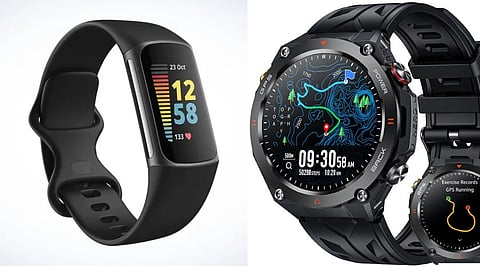
.png)

GPS smartwatches suit runners, cyclists, and hikers who need route tracking, pace data, and advanced training tools.
Fitness trackers offer a simple, affordable way to monitor steps, sleep, heart rate, and daily activity.
Battery life, phone compatibility, GPS support, and subscription fees all matter before a purchase.
A run through an unfamiliar park needs more than a step count, while a daily walk around the block may need nothing beyond distance and heart rate. This gap explains why a GPS smartwatch suits some people and a fitness tracker suits others. Both support health goals, but they do different jobs.
A GPS smartwatch uses satellite signals to record outdoor routes, distance, pace, and speed. Many models can log a run or bike ride without a phone. Advanced sports watches add route maps, workout plans, elevation data, recovery estimates and training load, which help athletes measure progress and plan the next session.
Some models also handle music, calls, phone alerts and third-party apps. The Garmin Forerunner 970 suits serious runners who want detailed training data and advanced navigation. The Garmin vívoactive 6 strikes a more balanced mix of fitness tools, health data and smart features. Extra features usually push the price up, though, and frequent GPS use drains the battery faster.
A fitness tracker concentrates on daily health and activity. Most record steps, heart rate, sleep, calories and active minutes. A slim, light body makes them more comfortable for all-day and overnight wear, and simple activity goals help users build habits without a busy screen or a long feature list.
The Fitbit Inspire 3 is still a useful option for anyone who wants basic health data in a small band. The Fitbit Air reflects the move toward screen-free wearables, which aim to cut distractions while still tracking daily habits. Features and services vary by model and region, so the exact product details are worth checking before buying.
Also Read - Best Whoop Alternatives in 2026: Smart Bands & Fitness Trackers Compared
Built-in GPS is the biggest difference between the two. A watch with its own GPS can record an outdoor route even when the phone stays at home. Some bands depend on a connected phone for location data, while others carry built-in GPS. Runners, cyclists and hikers who like to travel light should pay attention to this.
Battery life shapes the choice too. A basic tracker may last several days, or two weeks and more, on a single charge. A smartwatch may manage only a day or two, although some sports watches run for weeks in standard watch mode. Continuous GPS, cellular service, bright screens, and music all shorten that time. Product claims usually reflect ideal conditions, so real-world battery tests are a better guide.
Both devices can record heart rate, sleep and daily activity, but the depth of analysis differs. A sports watch may offer pace alerts, structured workouts, recovery estimates, and training-load data, which let athletes review performance across several weeks instead of judging progress from one workout.
Fitness trackers lean toward daily habits. Sleep scores, step goals and activity reminders help users spot patterns and stay consistent. Health scores are still estimates, not medical diagnoses, and sensor accuracy varies with fit, movement, skin contact, and the type of activity. A device should support healthy habits, not replace professional medical advice.
Fitness trackers usually cost less than advanced GPS smartwatches. A basic band suits a tight budget, while a sports watch gives more value to people who use its training tools often. Phone support and subscription fees need a check before buying, since some health reports and coaching features require a paid plan.
Phone compatibility matters as well. Apple Watch models generally need an iPhone, while many Garmin and Fitbit devices work with both Android and iPhone, subject to model limits. A lower purchase price doesn’t always mean a lower long-term cost if useful features sit behind a subscription.
Why this Matters
The choice between a GPS smartwatch and a fitness tracker can affect daily comfort, workout quality, and long-term costs. The right device helps users track health goals, measure exercise progress, and build better habits. A clear comparison also prevents extra spending on features that may offer little value in everyday life.
A fitness tracker suits people who want a simple record of steps, sleep, heart rate and daily activity. Its small size, lower price and often longer battery life make it a practical pick for everyday wellness.
A GPS smartwatch suits runners, cyclists, hikers and athletes who need route data, pace details, advanced workouts or navigation without a phone. The right choice depends on real needs, not the number of features on the box. A simple tracker can support steady progress, while a capable GPS watch lets athletes train in greater detail. The smarter purchase is the device that matches daily habits at a fair price.
A GPS smartwatch offers advanced workout tools, route tracking, and broader smart features, while a fitness tracker focuses on daily activity, heart rate, sleep, and basic health data.
Some fitness trackers have built-in GPS, while others rely on a connected phone to record routes. Check the exact model specifications before purchase.
Fitness trackers often last several days to two weeks or more. Some GPS sports watches also offer long battery life, but frequent GPS use can drain the battery faster.
A GPS smartwatch can offer good value for people who run, cycle, hike, or follow structured training plans. Casual users may find a basic fitness tracker sufficient.
Yes. Most GPS smartwatches and fitness trackers offer heart-rate and sleep tracking. Data quality and available health features vary by model, fit, and sensor design.
