.png)

Whoop remains a strong choice for athletes focused on recovery and training.
Oura, Garmin, Fitbit, RingConn, and Ultrahuman offer compelling alternatives.
Subscription fees can significantly change the long-term cost of ownership.
Whoop remains a popular choice for people focused on recovery and training. Its detailed insights also come with an ongoing subscription cost. That has opened the door for several strong alternatives for buyers who can now choose smart rings, screenless bands, and traditional fitness trackers. The right choice depends on your budget and tracking priorities. Here are the best Whoop alternatives worth considering.
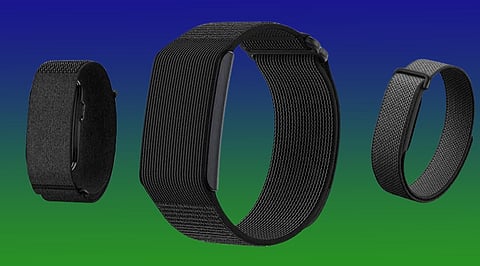
Whoop 5.0 remains focused heavily on recovery, strain, sleep, and performance. Wearable continues to rate it highly for serious athletes. However, its subscription can become expensive over several years.
Some buyers also prefer to own the hardware they use. Others want a screen, GPS, or broader smartwatch capabilities. The growing screenless market has intensified competition. Fitbit Air and Garmin Cirqa now offer simpler alternatives.
For budget-conscious users, subscription costs deserve careful consideration. The cheapest device is not always the cheapest long-term option.
Also Read: Whoop 5.0 vs Oura Ring 4: Which No-Screen Health Tracker Wins?
Oura Ring 5 is one of the strongest alternatives to Whoop. Its compact ring design suits people who dislike wrist-based trackers. The device focuses on sleep, recovery, stress, and health trends. Its software also turns complex measurements into easier daily insights.
Wareable currently ranks Oura Ring 5 as its top smart ring. The review highlights its slimmer hardware and detailed longitudinal health insights. However, Oura still requires a membership for its deeper features. That makes it less attractive for subscription-averse buyers. Still, its polished app and discreet design remain major advantages.
Garmin Cirqa is a newer screenless alternative launched in 2026. It targets people who want health tracking without constant notifications. It tracks heart rate, HRV, sleep, stress, respiration, and Body Battery. It can also use connected GPS through a smartphone.
Its biggest financial advantage is the lack of a basic subscription requirement. The device costs around USD 200 in the US market. Battery life can also reach around 10 days, depending on usage. Garmin users gain another advantage through the company's broader ecosystem.
However, some advanced features require Garmin Connect+. Buyers should consider that before comparing total ownership costs.
Fitbit Air is aimed at users wanting simple health tracking. Its USD 99 starting price makes it considerably cheaper than premium alternatives. The screenless design keeps the device lightweight and distraction-free. It tracks health metrics while relying heavily on the companion app.
Google's health platform also adds AI-powered coaching for subscribers. That makes the Fitbit Air more interesting to users seeking guided insights. The main catch involves its optional Premium subscription. Some advanced features sit behind the recurring payment. For casual users, the lower upfront price could be compelling.
Smart rings are becoming serious competitors to screenless fitness bands. They offer discreet tracking without placing another device on your wrist. RingConn Gen 3 focuses on health, sleep, stress, and activity monitoring. It also offers strong battery life without requiring a subscription.
Ultrahuman Ring Air takes a similar subscription-free approach. It emphasizes recovery, sleep, metabolism, and lifestyle insights. These options can appeal to users who want long-term ownership. They also make sense for people who dislike constant notifications.
The trade-off is different from traditional fitness bands. Rings may not suit every workout or wrist-based measurement need.
Why this Matters
Fitness trackers are becoming more capable across different price categories. Buyers no longer need one device for every health goal. Some prioritize recovery and sleep, while others want workout tracking or battery life. Subscription costs also deserve attention before making a purchase. A cheaper device can offer better long-term value when recurring fees are avoided.
For serious athletes, Whoop still offers an exceptionally focused experience. Its coaching remains one of its biggest strengths. For value seekers, Garmin Cirqa and Fitbit Air deserve attention. RingConn and Ultrahuman suit buyers avoiding recurring fees. Ultimately, compare the total ownership cost, not just the device price. Subscription fees can significantly change the value equation over time.
There is no single alternative that suits every user. Oura Ring 5 is particularly strong for sleep and recovery tracking. Garmin Cirqa is better suited to fitness-focused users. Fitbit Air targets casual users and budget buyers. RingConn and Ultrahuman are attractive for subscription-free tracking.
Oura Ring 5 can be a better choice for users prioritizing sleep and passive health monitoring. Its ring design is also more discreet. Whoop remains highly focused on recovery, strain, and training. Oura requires a subscription, while the overall experience differs considerably between both platforms.
Yes, Oura requires a membership to access its deeper data and insights. The Ring 5 starts at $399, while premium finishes cost more. The subscription adds an ongoing ownership cost. Buyers should consider this expense when comparing Oura against subscription-free alternatives.
Garmin Cirqa can be a strong alternative for fitness-focused users. It tracks health and workout metrics while offering a screenless design. It also avoids the basic subscription requirement. Its broader Garmin ecosystem adds value for runners, cyclists, and other active users.
Fitbit Air has a much lower upfront price than Whoop. It launched with a $99 starting price, making it attractive for casual users. However, some advanced Fitbit features require a Premium membership. Buyers should therefore compare both upfront and recurring costs.
