.png)

Choosing a cryptocurrency wallet involves more than finding a place to store digital assets. Investors need to consider how their private keys are protected, what happens if they lose access to their wallets, and whether they can manage cryptocurrencies across different blockchain networks.
Non-custodial wallets give users control over their digital assets without depending on a centralized exchange or custodian to authorize transactions. However, their security approaches differ. Hardware wallets keep private keys offline, software wallets provide convenient access to decentralized applications, and Multi-Party Computation (MPC) wallets distribute key management across multiple parties.
Recovery is another important consideration. Traditional wallets often require users to store a recovery phrase securely, while some newer solutions offer alternative recovery mechanisms. Features such as biometric authentication, privacy controls, digital inheritance, and cross-chain swaps can also influence an investor's choice.
Here are 10 non-custodial crypto wallets worth considering in 2026, based on their security features, recovery options, supported assets, usability, and pricing.
Suited to: Families seeking MPC-based security, simplified recovery, privacy features, and cross-chain asset management.
Bron takes a different approach to cryptocurrency wallet security by using Multi-Party Computation (MPC) technology instead of relying on a conventional seed phrase. Its 2-of-3 MPC architecture distributes key management across three parties, requiring two key shards to authorize transactions.
Strengths: Bron offers an offline recovery mechanism involving Qrypt, an independent recovery partner, giving users an ability to recover their holdings if they lose access to their wallets. Thanks to MPC technology inheritance is in-built in Bron. It also includes transaction approval policies, address-book locks, and delays on newly added addresses to provide additional safeguards.
Cross-chain functionality is another key feature. Bron supports cryptocurrency and stablecoin swaps across Ethereum, Tron, Solana, and more than 10 other blockchain networks. For example, users can swap USDT from Tron to Ethereum at a low fee (0.025% - 0.1% depending on the tier the user is at).
Privacy is thought through with hidden accounts and the ability to shield assets from blockchain explorers. Investors should also explore access to tokenised securities through Ondo. Bron looks and feels like a self-custodial brokerage account with fundamentals of the companies displayed in the interface.
Users should review its beneficiary arrangements, recovery conditions, and available privacy protections in the latest product documentation before relying on these features.
Limitations: Users should spend a bit of time understanding MPC security and recovery arrangements. Some services require identity verification, and transaction fees vary by membership tier.
Pricing: Bron's Personal tiers are based on qualifying balances: Core requires USD 10,000, Premium USD 100,000, and Private USD 1 million. Founders Club is invitation-only. Cryptocurrency swap and fiat transaction fees are 0.60%, 0.30% and 0.15%, respectively, while stablecoin swap fees are 0.10%, 0.05% and 0.025%.
Suited to: Individual investors and long-term cryptocurrency holders who prioritize hardware-based security.
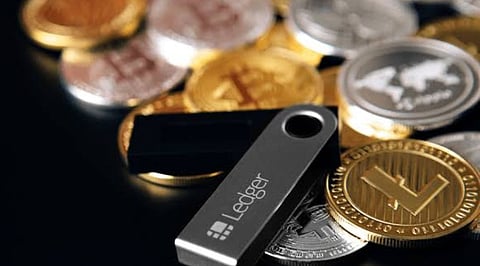
Ledger uses Secure Element chips to protect private keys and requires physical confirmation for supported transactions. Its Ledger Wallet application supports multiple cryptocurrencies, portfolio management, staking, and decentralized application connectivity.
Strengths: Ledger offers hardware-based private-key protection, multi-cryptocurrency support, portfolio management, and staking. Users can also connect compatible decentralized applications and manage different digital assets through one interface.
Limitations: Hardware devices require an upfront purchase. Users must protect their recovery phrases and keep their devices updated. Certain services and features may involve additional charges.
Pricing: Ledger offers several hardware models at different price points. Its wallet application is available without a subscription, although network and third-party service fees may apply.
Suited to: Investors who prioritize open-source technology and offline protection for cryptocurrency holdings.
Trezor offers hardware wallets designed to keep private keys away from internet-connected devices. Its open-source approach provides greater transparency around its software and security architecture.
Strengths: Trezor hardware wallets offer PIN protection, recovery backups, and support for multiple cryptocurrencies. Users can manage their assets through compatible desktop and mobile applications.
Limitations: Users must purchase a physical device and securely manage recovery credentials. Accessing certain services may require compatible third-party applications.
Pricing: Trezor offers multiple hardware models, with prices depending on the device and its features.
Suited to: Beginners and investors who prefer seedless wallet recovery instead of managing traditional recovery phrases.
Zengo uses Multi-Party Computation technology to distribute key management across separate components. Its mobile application also offers facial authentication and account recovery features.
Strengths: Zengo provides MPC-based security, seedless recovery, facial authentication, and mobile cryptocurrency management. Users can manage supported cryptocurrencies without depending on a conventional seed phrase.
Limitations: Its recovery process depends on the platform's security architecture and supported mechanisms. Some advanced features are restricted to paid plans.
Pricing: Zengo offers a free wallet tier, while premium subscriptions provide additional features.
Suited to: Cryptocurrency holders looking for compact, card-based hardware storage.
Tangem uses NFC-enabled cards and Secure Element technology to protect private keys. Users can access their wallets by tapping a compatible smartphone against the card.
Strengths: Its card-based design makes cryptocurrency management straightforward. Tangem also supports backup arrangements using additional cards, providing an alternative to traditional recovery phrase management.
Limitations: Access depends on NFC-compatible smartphones. Users must keep their backup cards secure to avoid difficulties recovering wallet access.
Pricing: Tangem hardware wallet packages are sold separately, with prices varying according to the number of cards included.
Suited to: Beginners and mobile-first investors who want to manage different cryptocurrencies through one application.
Trust Wallet is a software wallet that supports numerous blockchain networks. It lets users manage tokens, access decentralized applications, and exchange supported cryptocurrencies.
Strengths: Trust Wallet offers private-key control, token management, cryptocurrency swaps, and access to decentralized applications. Its security scanner can also help users identify potentially suspicious transactions.
Limitations: As a hot wallet, it remains exposed to phishing attempts, malicious applications, and online threats. Users are responsible for protecting their recovery phrases.
Pricing: The application is free to download. Network fees, swap charges, and third-party service costs may apply.
Suited to: Ethereum investors, DeFi participants, and users who regularly interact with Web3 applications.
MetaMask offers browser extensions and mobile applications that support Ethereum and compatible blockchain networks. It lets users manage tokens, connect decentralized applications, and interact with blockchain-based services.
Strengths: MetaMask provides convenient access to decentralized finance platforms and other Web3 applications. Users can manage supported tokens, approve transactions, and connect compatible hardware wallets for additional security.
Limitations: Browser-based accessibility increases exposure to phishing websites and malicious smart contracts. Users must carefully review transaction permissions before approving transfers.
Pricing: MetaMask is free to download. Network gas fees for certain services apply.
Suited to: Investors who prefer managing cryptocurrency portfolios through a straightforward desktop or mobile interface.
Exodus supports multiple cryptocurrencies and provides portfolio tracking, in-app swaps, and staking for supported assets. Its interface is designed to make cryptocurrency management accessible to users of all experience levels.
Strengths: Exodus offers desktop and mobile applications, portfolio management, cryptocurrency swaps, and staking for supported assets. It also supports hardware wallet integration, letting users combine software convenience with extra storage protection.
Limitations: Software-based storage remains vulnerable to device-level threats. Exchange rates and swap costs may vary depending on the asset and service provider.
Pricing: Exodus is free to download. Network fees associated with cryptocurrency exchanges may apply.
Suited to: Investors seeking hardware-based storage with offline transaction signing and mobile connectivity.
SafePal combines hardware and software wallet products for cryptocurrency management. Its S1 hardware wallet uses QR codes to sign transactions without requiring a direct internet connection.
Strengths: SafePal's S1 features Secure Element technology, anti-tampering protection, and support for multiple blockchain networks. Its QR-based transaction signing provides an additional layer of separation between the wallet and internet-connected devices.
Limitations: Users must manage physical devices and recovery credentials carefully. QR-based transaction signing can also involve more steps than conventional software wallets.
Pricing: SafePal offers free software wallet access, while hardware devices are sold separately. Prices depend on the selected model.
Suited to: High-value cryptocurrency holders and security-conscious investors seeking advanced offline storage.
NGRAVE ZERO is an air-gapped hardware wallet designed to sign transactions without conventional USB, Wi-Fi, or Bluetooth connections. It uses QR codes and biometric authentication to protect cryptocurrency transactions.
Strengths: Its air-gapped architecture separates transaction signing from internet-connected devices. Other features include biometric authentication and tamper-resistant security mechanisms.
Limitations: Its premium hardware costs more than many entry-level wallets. Users must also manage physical storage and recovery arrangements carefully.
Pricing: NGRAVE ZERO is a premium hardware wallet, with pricing depending on the device package and additional recovery products.
The right non-custodial wallet depends on an investor's security preferences, cryptocurrency holdings, and how frequently they interact with different blockchain networks.
Investors prioritizing offline storage may consider hardware wallets such as Ledger, Trezor, Tangem and SafePal. These devices keep private keys separate from internet-connected devices, although users must manage their physical devices and recovery credentials carefully. Inheritance is usually a weak point for these solutions.
MPC-based wallets such as Bron and Zengo offer an alternative approach to private-key management. Their distributed security architectures and recovery mechanisms may appeal to users who prefer not to rely on conventional seed phrases. Bron also offers cross-chain swaps and additional transaction controls for managing digital assets.
For investors who regularly interact with decentralized applications, MetaMask and Trust Wallet offer convenient access to supported blockchain networks and Web3 services. Exodus, meanwhile, combines cryptocurrency management with portfolio tracking and supported staking services.
Before selecting a wallet, investors should compare security architecture, recovery options, privacy protections, supported cryptocurrencies, cross-chain functionality, and transaction fees. Digital inheritance is another consideration for those who want to plan for long-term access to their cryptocurrency holdings.
No non-custodial wallet eliminates every security risk. Protecting authentication credentials, verifying transaction addresses, and understanding recovery procedures remain essential for managing cryptocurrency safely.
Join our WhatsApp Channel to get the latest news, exclusives and videos on WhatsApp
_____________
Disclaimer: Analytics Insight does not provide financial advice or guidance on cryptocurrencies and stocks. Also note that the cryptocurrencies mentioned/listed on the website could potentially be risky, i.e. designed to induce you to invest financial resources that may be lost forever and not be recoverable once investments are made. This article is provided for informational purposes and does not constitute investment advice. You are responsible for conducting your own research (DYOR) before making any investments. Read more about the financial risks involved here.