.png)

The electric three-wheeler may arrive in late 2027 or early 2028.
TVS plans to build the vehicle at its Hosur facility, with reported output of 3,000-4,000 units per month across two versions.
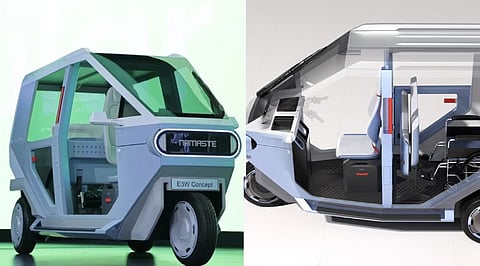
The concept highlights improved safety, cabin comfort, accessibility, and adjustable ground clearance.
Hyundai Motor Company and TVS Motor Company have moved closer to the launch of a new electric three-wheeler for India. The vehicle, known by the internal code U834, may reach the market in late 2027 or early 2028. A report from Autocar Professional on October 8, 2026, also revealed a planned monthly output of 3,000 to 4,000 units across two versions. The project aims to offer a safer, more comfortable option for India's auto-rickshaw market.
The two companies signed a joint development agreement on April 20, 2026. The deal set a clear path toward vehicle development and commercial sales. Hyundai will lead the design effort, while TVS will contribute its electric vehicle platform, local engineering skills, manufacturing capacity, and sales network. The partners also plan to source major parts within India and complete the required tests and certification.
The agreement marks a key step from the concept stage toward a production vehicle. Hyundai and TVS first showed the electric three-wheeler concept at the Bharat Mobility Global Expo in January 2025. The display also featured a micro four-wheeler concept.
The original concept focused on common problems that auto-rickshaw drivers and passengers face on Indian roads. One notable feature was adjustable ground clearance, which could help the vehicle cope with waterlogged streets during the monsoon. The design also placed greater focus on cabin comfort, driver visibility, and passenger safety.
The concept featured a foldable seat to help accommodate wheelchair users. It also explored better cabin protection and climate control for hot weather. Hyundai and TVS proposed several uses for the vehicle, such as passenger travel, local deliveries, and emergency services. However, the final production model may differ from the original concept. Neither company has confirmed which features will reach the market version.
Also Read - How EV Trends Will Change the Auto Market in 2027
TVS Motor's facility in Hosur, Tamil Nadu, is the planned production site for the new vehicle. Autocar Professional reported a target of 3,000 to 4,000 units per month across the two planned versions. This figure represents a production goal, not confirmed monthly sales or a guarantee of full output from the first month.
Local production could help the partners control costs and build a reliable supply chain. It could also improve access to spare parts and service support. TVS already has experience in India's two-wheeler and electric vehicle markets, while Hyundai brings design and vehicle development expertise. The partnership combines these strengths without the need for Hyundai to create a separate three-wheeler production network from scratch.
A reported pilot called Blue Move adds another layer to the project. Industry reports state that the pilot began in June 2026 near Hyundai Motor India's headquarters in Gurugram. The limited service reportedly uses enclosed, air-conditioned electric three-wheelers for employees and selected users.
The pilot offers a way to assess cabin comfort, interior layout, and software features under real road conditions. Autocar Professional also reported plans for initial prototype production at the Hosur facility in early 2027. However, the full results of the pilot and its current operating status remain unclear. The service does not yet represent a confirmed public launch.
The companies have yet to provide the finish specifications for the vehicle. The battery size, the power of the motor, the range, and the capacity of the vehicle are still unknown. The final dealership price and the booking timings, as well as the time needed for charging, are still undecided.
All of these factors are likely to have an impact on the popularity of the vehicle among customers and transport companies. Although a bigger cabin and air-conditioning system could mean better comfort for the passengers, these facilities also influence the costs significantly and the battery consumption.
The Hyundai–TVS vehicle could offer a fresh option for India's electric three-wheeler market. Fleet operators may value its enclosed cabin, while drivers may look for lower energy costs and easier service access. Local parts supply and a strong service network could also help reduce downtime.
Still, the vehicle must compete on practical needs rather than design alone. Drivers need a fair purchase price, reliable battery performance, useful daily range, and enough income after expenses. Export markets may also offer future scope, though the companies have not confirmed specific destinations or timelines.
Why this Matters
The Hyundai–TVS partnership could reshape India's electric three-wheeler market with a stronger focus on safety, comfort, and local production. A well-priced vehicle could help drivers lower daily fuel costs while offering passengers a better travel experience. The project also supports India's shift toward cleaner urban transport and reduced tailpipe emissions.
Also Read - How to Charge and Store an E-Bike Battery Safely
Among the upcoming plans would be conducting prototype tests, obtaining final technical specifications, preparing for production, passing various Westinghouse certification requirements, and finally issuing the announcement of a formal release. Initially expected in late 2027 or early 2028, this date is tentative at the moment.
The real test will be to find out what price and range of the final model will be revealed by the manufacturers. A well-designed model would clearly add more comfort on the urban roads; however, its commercial success will depend on many factors, including whether people are ready to pay for the benefits that it provides.
1. When will the Hyundai–TVS electric three-wheeler launch?
The latest reported target points to late 2027 or early 2028. The companies have not confirmed a final launch date.
2. Where will Hyundai and TVS manufacture the vehicle?
TVS Motor's Hosur facility in Tamil Nadu is the planned production site.
3. What is the expected monthly production volume?
Industry reports cite a target of 3,000–4,000 units per month across two versions.
4. What features may the electric three-wheeler offer?
The original concept featured improved cabin comfort, enhanced safety, wheelchair accessibility, and adjustable ground clearance. Final production specifications remain unconfirmed.
5. What will the Hyundai–TVS electric three-wheeler cost?
The companies have not announced the price, battery capacity, certified driving range, or booking date.
