.png)

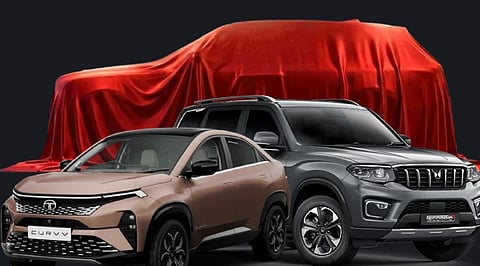
Five upcoming models could shape festive-season buying decisions, though launch timelines vary and not all are officially confirmed
The list spans a lifestyle SUV refresh, a sedan facelift, a three-row EV, a compact crossover update, and a strong-hybrid SUV
Each model fits a different kind of buyer, so the smarter question is which update actually changes the ownership experience
A Diwali car purchase can turn costly if a better option arrives just weeks later. In 2026, buyers have more reason to wait than usual. Facelifts, new electric powertrains, and hybrid technology are all entering the market, but their timing and real impact differ. The smart move is spotting which launches genuinely change the buying decision and which ones are simply new badges.
The Thar's update leans on design more than mechanics. Expect Roxx-inspired styling cues and a roomier, more modern cabin with a larger touchscreen. The engine and gearbox lineup is expected to stay the same, so this is a facelift built for buyers who already want a Thar but would prefer the newer look. Mahindra has not officially announced the date, but recent reports point to a late-September launch ahead of the festive season.
Sedans keep losing ground to SUVs across most price ranges, which makes the Virtus update worth watching for a different reason than most facelifts. Test mules have already shown a revised front end along with small cabin and equipment changes.
What stands out is not the update itself but the fact that Volkswagen is still putting money into a sedan while most competitors redirect that spend toward SUVs. Anyone already leaning toward a Virtus has a reason to wait for the October 2026 arrival before booking the outgoing version.
Tata is adding a fully electric powertrain to the Safari, extending the nameplate beyond its current petrol and diesel forms. This would mark the brand's first three-row electric vehicle, opening a new route for large families who want SUV space without a combustion engine. Final pricing and specifications have not been announced, and the safest approach is to wait for Tata's official numbers rather than lock in a purchase based on early estimates.
This is the update with the least confirmed information. Spy shots hint at styling tweaks and a possible equipment bump, but Maruti has said nothing official about specifications or timing. What makes it worth tracking anyway is the price band the Fronx competes in.
It is one of the busiest and most closely fought segments in the country, so even a modest refresh could shift how it stacks up against newer rivals. Buyers without a firm deadline should keep this one on a watchlist rather than a shortlist.
Also Read: CNG, Hybrid, EV Sales Surpass Petrol Cars for the First Time in India
Renault's strong-hybrid system pairs a 1.8-liter petrol engine with two electric motors and a 1.4 kWh battery. The company says the setup can run in EV mode for up to 80% of city driving, which points to real fuel savings for anyone doing daily stop-start traffic. Hybrid deliveries are expected around Diwali.
Unlike the cosmetic updates on this list, this one changes how the car actually runs day-to-day, which makes it the strongest case for waiting among high-mileage buyers based in cities. JSW Motors is also entering the market around the same period, with new SUVs built on the Chery iCar V23 and Jetour T2 platforms.
Not every model on this list justifies the same wait. The Thar and Virtus updates suit buyers already set on those nameplates. The Safari EV opens a new option for families wanting a three-row electric SUV. The Duster Hybrid earns its place through a genuine change in running costs rather than looks. The Fronx remains the most uncertain and should stay on a watchlist until Maruti says more.
A new badge on the boot lid is never the real reason to wait. The stronger reason is whether the update changes something that actually affects ownership, whether that is running cost, cabin space, or the powertrain itself. As these launches move closer to confirmation through September and October, comparing final prices and delivery timelines will matter far more than comparing launch dates.
1. Which cars are worth waiting for before Diwali 2026?
The Mahindra Thar facelift, Volkswagen Virtus facelift, Tata Safari EV, Maruti Fronx facelift, and Renault Duster Hybrid are among the key upcoming models to watch.
2. When is the Mahindra Thar facelift expected to launch?
Recent reports point to a late-September 2026 launch, although Mahindra has not officially confirmed the exact date.
3. Is the Tata Safari EV launching before Diwali 2026?
Tata has planned the Safari EV around the 2026 festive season, but final pricing, specifications, and the exact launch date are yet to be announced.
4. Which upcoming car is best for fuel-conscious city drivers?
The Renault Duster Hybrid is the strongest option to watch for high-mileage city drivers because its hybrid system is designed to increase EV-mode driving in urban conditions.
5. Should buyers wait for the Maruti Fronx facelift?
Only buyers with flexible timelines should wait. The facelift has been spotted in testing, but Maruti has not officially confirmed its specifications or launch date.
