.png)

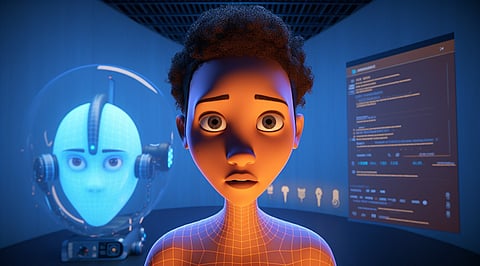
Realistic AI Character Generators function as sophisticated AI-based systems that generate characters that exhibit high levels of detail and authentic human traits or fictional attributes.
The systems create visual content through the implementation of deep learning and generative adversarial networks and diffusion models, which generate both static images and animated content and interactive digital personalities. The ongoing progress of artificial intelligence technology has led to industrial changes that affect both the entertainment and educational sectors.
The Realistic AI Character Generator functions as a software program that generates humanlike characters who display authentic facial attributes and emotional expressions, and realistic apparel and complete personality traits. Some tools generate static images, while others create animated or interactive avatars capable of speech and emotional responses.
These systems rely on:
Machine Learning Models trained on large datasets of human faces and bodies
GANs (Generative Adversarial Networks) for hyper-realistic image creation
Diffusion Models for high-quality rendering
Natural Language Processing (NLP) for personality and dialogue generation
3D Modeling & Animation Engines for movement and interaction
Creating characters for movies, games, and animations
Reducing production costs and time
Generating background characters automatically
Custom avatars for players
Non-player characters (NPCs) with realistic behavior
Procedural generation of characters in open-world games
Virtual influencers and AI-generated personalities
YouTube or TikTok digital characters
Personalized avatars for users
Virtual tutors and instructors
Simulation-based learning (e.g., medical or military training)
Language learning with interactive characters
AI-generated brand ambassadors
Personalized advertising using digital humans
Interactive customer engagement
Digital doubles of actors
De-aging or recreating historical figures
Fully AI-generated films and scenes
Realistic avatars in virtual worlds
Social interaction through digital identities
AI-driven companions
AI-powered virtual assistants with human-like appearance
24/7 support using digital humans
Enhanced user experience
Therapy avatars for mental health support
Patient interaction simulations
Training for healthcare professionals
Saves time and cost in character design
High level of customization
Scalability (generate thousands of characters instantly)
Enhances creativity and storytelling
Deepfakes and misuse
Privacy issues (use of real human data)
Bias in AI models
Job displacement in creative industries
Identity and authenticity concerns
The future includes:
Fully interactive AI characters with emotions and memory
Integration into daily life (assistants, companions)
Hyper-realistic avatars indistinguishable from real humans
Expansion into the metaverse and digital economies
Realistic AI Character Generators create a significant advancement for machine intelligence and digital artistic expression. The technology enables companies to produce characters at a faster pace while reducing costs and increasing production efficiency. The technology needs to be used responsibly through the establishment of ethical standards that must be followed. The development of technology will lead to AI-generated characters becoming essential components of our online platforms and physical environments.
