.png)

AI styling tools improve outfit choices using data, making fashion more organized and efficient daily.
Digital wardrobes increase clothing usage by helping to reuse items and reduce unnecessary purchases.
AI tools support sustainable fashion by reducing waste and improving smarter shopping decisions.
Artificial intelligence has become an integral part of everyday life, significantly influencing how people make daily decisions, even the simplest ones. For example, choosing clothing has traditionally relied on personal preferences or advice from others about what to wear for specific occasions.
However, intelligent technology is now guiding clothing-related decisions in a more organized way. It has become easier and more efficient for individuals to manage and maximize the use of the clothes they already own. This transformation is gradually making daily style more practical and less confusing.
Personalization has become one of the biggest changes in fashion. AI-based styling tools study clothing patterns, colors, and individual preferences to suggest suitable outfits. These systems learn from repeated choices and improve suggestions over time.
This change is supported by strong growth in the industry. The global AI in fashion market is estimated at around $3 billion to $4 billion in 2026 and is expected to grow rapidly in the coming years, with annual growth rates of 35% to 40%. This shows that more companies are investing in personalized fashion tools.
As a result, outfit suggestions are becoming more accurate. Instead of random choices, clothing recommendations are based on patterns and past behavior. This helps build a clear and consistent style with minimal effort.
Also Read: Smart Fabrics: Wearable Tech for Fashion Enthusiasts
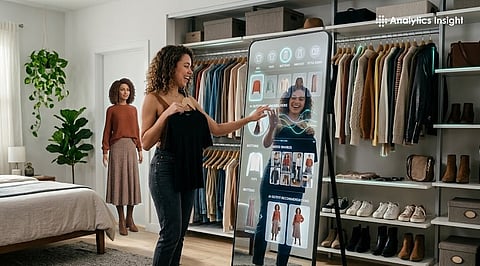
Another significant change is the concept of a digital wardrobe. Many applications allow people to store their clothes by uploading pictures. This is creating a virtual wardrobe for people.
It is making everyday dressing easier and more efficient:
Unused clothes are being used again
Ideas are being created for outfits according to the weather and occasions
The time spent on deciding what to wear is reduced
Studies suggest that people use only about 50% to 60% of their wardrobe regularly. Digital tools help increase this usage by offering better combinations and reminders of unused items.
Shopping habits are also changing with the help of AI. Virtual try-on features allow people to see how clothes might look without physically wearing them. This makes online shopping more reliable and less risky.
These innovations are improving the overall shopping experience:
People can understand fit and style before buying
AI-based suggestions guide better purchase decisions
The chances of returning products are reduced
Reports indicate that return rates for online fashion can exceed 30%. With AI tools, some companies have seen reductions of up to 20% in returns, which makes shopping more efficient.
Also Read: Revolutionizing Fashion: AI-Driven Innovation in E-commerce
AI is not limited to helping people choose clothes. It is also being used in fashion. By studying trends on social media and at fashion shows, AI can predict which styles may become popular.
The use of AI has also improved speed in the fashion industry. Design processes that once took weeks can now be completed in a few hours, reducing time by nearly 70% to 90%. This allows designers to test more ideas and respond quickly to changing trends.
Another important impact of AI-powered styling is on sustainability. The fashion industry often faces criticism for waste and overproduction. AI helps reduce this problem by encouraging better use of existing clothes.
Instead of buying frequently, people are encouraged to reuse and restyle what they already have. AI can also suggest clothing pieces that can be worn in different ways. It is estimated that extending the life of clothes by just nine months can reduce carbon, water, and waste footprints by around 20% to 30%. This shows how better usage of clothing can make a real difference.
AI styling is transforming how we understand and use fashion in our daily lives. It's making wardrobes more organized, shopping more informed, and styling more efficient. Each step, from selecting clothes to designing them, is becoming faster and more accurate.
The rapid growth of this technology shows that it is becoming a regular part of modern life. As more people and companies adopt these tools, fashion is moving toward a system that is both smart and practical. This change reflects a broader shift in which technology supports better, more responsible choices in everyday life.
1. How is AI changing fashion choices in daily life?
AI studies preferences and patterns to suggest outfits, making daily dressing faster, more accurate, and easier.
2. What is a digital wardrobe, and how does it work?
A digital wardrobe stores clothing images in apps, allowing better outfit planning, reuse, and easy access anytime.
3. How does AI improve the online shopping experience in fashion?
AI offers virtual try-ons and suggestions, helping users better understand fit and reducing the likelihood of product returns.
4. Can AI help reduce waste in the fashion industry today?
AI encourages the reuse of clothes and smarter buying, which helps reduce waste and supports sustainable fashion.
5. Is AI used only for styling, or also for designing clothes?
AI is used in both styling and design to predict trends and speed up the fashion creation process.
