.png)

Progressive overload helps build strength and muscle by gradually increasing weights, repetitions, sets, or training difficulty while maintaining proper form.
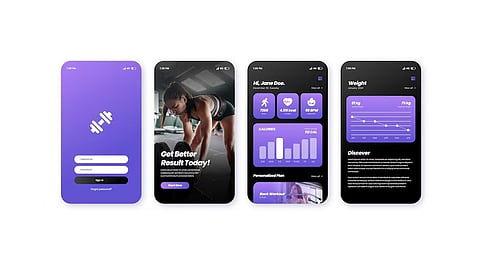
Gym tracking apps record workout history, training volume, personal records, and performance changes to support consistent strength training.
Automated workout planning, exercise guidance, progress charts, and coaching features help lifters manage training intensity and make informed progression decisions.
Progressive overload depends on one simple fact: knowing what got lifted last time. Without a reliable record, the same weights get repeated for months. Or weight gets added before technique is ready for it.
Picture three sets of eight repetitions at the same weight this week. Reaching nine repetitions per set with good form becomes the next target. Once that target holds steady across sessions, a small weight increase is worth considering. A tracking app records those shifts and makes sessions easy to compare. The decision to progress still depends on technique, effort, and recovery.
A tracker records what happened. A guided app suggests what might happen next. A structured program sets the rules for how progression should happen. A human coach reviews performance and adjusts the plan directly. These four roles explain why the ten apps below differ more than a simple feature count ever could.
Jefit pairs an extensive exercise library with workout history and a progressive overload system. Its Strength Engine is live now and adjusts load progression using training data. A broader mesocycle adaptation feature is still rolling out.
Jefit also tracks training volume across sessions, which helps surface longer-term trends. The learning curve is real, so checking which features a chosen plan includes is worthwhile.
Strong keeps things simple: fast set and rep entry, paired with clean progress charts. It works as a workout log for lifters who already manage their own programs. There is no automated planning layer, just dependable tracking session after session.
Hevy combines solid logging with a social feed. Training partners can see each other's workouts and progress in real time. The appeal here is accountability through shared sessions rather than algorithmic coaching. Some deeper tracking features sit behind the paid Pro tier.
Fitbod builds each workout around available equipment, training goals, logged performance, and muscle recovery. It also tracks an overall strength score, drawn from its muscle-strength metrics, updating with every new session.
This suits lifters who want the app to choose exercises, sets, reps and weights instead of planning everything manually. Direct control over the plan drops as a result, though preferences remain adjustable.
Alpha Progression centers on hypertrophy and uses Reps in Reserve, a measure of how close a set comes to failure, to fine-tune intensity. Multiple gym profiles store different equipment setups for different locations. Checking which progression tools sit behind a paid plan is a smart step before signing up.
Setgraph suits lifters who want logging paired with progression guidance, minus a rigid structure. The flexibility to adapt training around whatever gets performed that day is the real draw. Confirming current AI features, recommendations, and subscription limits directly in the app listing is worth the extra minute.
Caliber runs across three tiers: a free tracker, Caliber Plus for coach-designed plans and its own progress metrics, and Premium Coaching with a real trainer reviewing actual workouts. Coaching sits as a separate paid add-on rather than a built-in feature, and it costs far more than a standard app subscription.
Strengthlog focuses on one-rep-max tracking and progression charts built around major compound lifts. The detail suits lifters chasing specific strength numbers, though general fitness users wanting precise tracking can gain from it too.
RepCount strips its free core down to fast logging of sets, reps and weight. Deeper charts and long-term records sit behind a Premium tier. It fits lifters who find larger apps overwhelming and want a set logged in seconds.
StrongLifts 5x5 follows a fixed linear progression program, adding weight by a set amount each session across a small group of compound lifts. It suits beginners who want structure with fewer programming decisions. Flexibility takes a back seat for lifters running varied or advanced routines.
Also Read: Top 10 Portfolio Management Apps to Watch in 2027
App features shift often, and pricing shifts faster. Checking the free tier limits and current listing before subscribing remains the single most reliable habit for any lifter comparing these ten. The real variable that decides progress still sits outside the app: consistent training, sound technique, and sensible pacing. A tracker can only record a lift once it happens on the floor.
1. What makes a gym app useful for progressive overload, not just logging?
A useful app tracks weight, reps and volume over time, then compares each session against the last one. Some apps go further and suggest the next weight or rep target automatically, while others leave that decision to the lifter.
2. Are AI-guided apps like Fitbod and Jefit better than manual trackers like Strong?
Neither is better outright. AI-guided apps suit lifters who want the app to plan sessions, while manual trackers suit lifters who already follow a program and just want fast, reliable logging.
3. Is Caliber's coaching included in the base app?
No. Caliber's free tier and Caliber Plus cover tracking and coach-designed plans, but Premium Coaching with a real trainer is a separate, higher-cost add-on.
4. Which app suits complete beginners best?
StrongLifts 5x5 offers a fixed, structured program with built-in linear progression, removing most programming decisions for someone new to strength training.
5. Do free tiers on these apps change often?
Yes. Pricing and feature limits shift regularly across fitness apps, so checking the current app store listing before subscribing is the most reliable way to confirm what is actually free.
