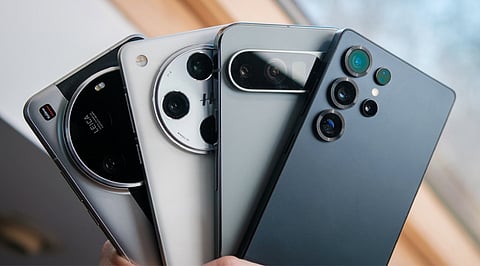
Do More Megapixels Mean Better Phone Cameras?

Do More Megapixels Mean Better Phone Cameras?

Published on: 
A 200MP smartphone camera may sound better than a 12MP camera

More Megapixels, Better Photos? A 200MP smartphone camera may sound better than a 12MP camera, but the numbers do not tell the whole story. Megapixels measure image resolution, not overall quality. Sensor size, lens quality, and image processing also determine how sharp, clear, and natural photos look.

One megapixel equals one million pixels that form a digital image.

Understanding What Megapixels Do - One megapixel equals one million pixels that form a digital image. Higher megapixel counts can capture more detail, making them useful for cropping photos or printing large pictures. However, the difference may be difficult to notice when sharing regular photos on social media or viewing them on a phone.

Smartphone camera sensors have limited physical space.

Why More Pixels Can Affect Low-Light Photos - Smartphone camera sensors have limited physical space. When more pixels fit onto the same-sized sensor, individual pixels may become smaller and capture less light. This can increase image noise in dark environments. However, sensor design and processing also influence the final result.

Many high-megapixel smartphone cameras use pixel binning to combine data from multiple

How Pixel Binning Improves Photos - Many high-megapixel smartphone cameras use pixel binning to combine data from multiple neighbouring pixels. For example, a 200MP sensor can combine 16 pixels into one to produce a 12.5MP image. This technique can improve light sensitivity and reduce noise, especially in challenging lighting conditions.

 A larger camera sensor can capture more light, helping produce cleaner images with better detail

Why Sensor Size Matters More - A larger camera sensor can capture more light, helping produce cleaner images with better detail, especially in low light. Lens quality also matters, as poor optics can reduce sharpness and introduce glare or distortion. A well-designed camera can outperform a higher-megapixel camera with weaker hardware.

 Modern smartphones use computational photography to combine multiple exposures

AI Processing Makes a Difference - Modern smartphones use computational photography to combine multiple exposures, reduce noise, balance colours, and preserve details in bright and dark areas. Features such as HDR and Night Mode can significantly improve photos. Strong software processing can often make a bigger difference than a higher megapixel count alone.

Instead of choosing a smartphone based only on its megapixel count

What to Check Before Buying a Camera Phone - Instead of choosing a smartphone based only on its megapixel count, compare real photos taken in daylight, indoors, at night, and while zooming. Check sensor size, optical image stabilisation, lens quality, and image processing. Higher megapixels are useful for cropping and large prints, but overall camera performance matters more.

logo
Artificial Intelligence News & Cryptocurrency News: Latest Trends | Analytics Insight
www.analyticsinsight.net