.png)

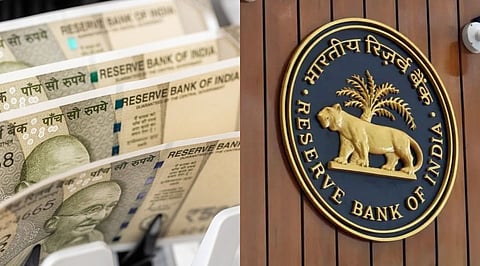
The Indian rupee’s recent recovery is showing signs of resistance as higher crude oil prices encourage importers to step up dollar purchases, even as a large inflow of foreign-currency deposits gives the Reserve Bank of India more room to support the currency.
The rupee strengthened sharply this week, helped by a much larger-than-expected mobilization of foreign-currency funds. The Reserve Bank of India said the measures introduced in June attracted about USD 136.4 billion, including more than USD 127 billion through foreign-currency non-resident bank deposits.
The inflows have improved India’s foreign-exchange liquidity and strengthened the central bank’s ability to manage rupee volatility. The currency opened at around 94.30 per U.S. dollar on Thursday, its strongest level since late June, after closing at 94.97 on Wednesday. It has gained more than 1% this week, making it one of Asia’s better-performing currencies.
Brent crude was trading near USD 95 a barrel as renewed military tensions between the United States and Iran raised concerns about disruptions to oil supplies from the Middle East. For India, which depends heavily on imported crude, a sustained rise in oil prices can increase demand for dollars from oil companies and other importers.
Higher oil prices are also adding to inflation concerns and have contributed to a rise in U.S. Treasury yields. The combination of expensive crude and tighter global financial conditions could make it harder for the rupee to continue strengthening at the same pace.
The RBI now has a substantially larger pool of foreign currency to draw on. The central bank’s recent dollar sales have already helped limit volatility and cushion the rupee against global shocks.
Also Read: RBI Data: India Posts 0.7% GDP Current Account Surplus in Q4, Beats Forecasts
Analysts expect the additional inflows to give the RBI greater flexibility in dealing with both sharp depreciation and excessive appreciation of the currency. The new liquidity could also help India rebuild its foreign-exchange reserves, which had come under pressure earlier.
Still, the latest improvement in the rupee does not eliminate longer-term risks. Rising crude prices, elevated US yields and geopolitical uncertainty remain important factors for the currency. Importer demand for dollars could also increase if oil prices remain elevated.
For now, the strong inflows have given the rupee a useful cushion. Whether the rally can continue will depend largely on oil prices, global risk sentiment, and how actively the RBI manages the currency in the coming sessions.
