.png)

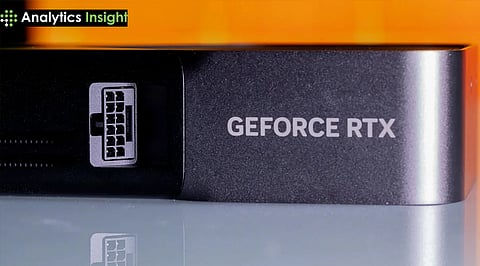
By early 2026, NVIDIA could cut its production of its RTX 50-series GPUs by 30-40%. The reduction is pegged on global memory shortages, which are disrupting multiple sectors, including gaming hardware. The scarcity of major memory elements like GDDR6 and GDDR7, as well as augmented rivalry over the resource, has subjected a substantial strain on the creation of GPUs.
According to reports, mid-range GPUs, including RTX 5070 Ti and RTX 5060 Ti 16GB, are expected to see most of the production cuts. These models are in high demand owing to their affordability and performance. In this case, they consume more memory compared to other models that fall below them.
The move to cut the production amount is also related to NVIDIA’s focus on the more profitable professional-class GPUs. These GPUs are expected to generate more revenue, especially with growing demand from data centers. This development comes when the memory suppliers are struggling to keep up with the demand, making it harder to maintain a constant supply of products targeted at consumers.
The global demand for memory has created a ripple effect in the market for PC hardware. The industry is experiencing difficulties in obtaining the required amount of critical components such as DRAM, NAND, and VRAM. This problem has already resulted in higher costs, which will affect the prices of PCs in 2026. As a result, consumers may be faced with higher prices for GPUs and other related components.
The move to minimize supply could be one of the direct answers to these limitations at NVIDIA. Reduction in production would enable the company to better manage its memory resources so that its more profitable products are adequately supplied. Nonetheless, the move also indicates the wider market slowdown, with the reduced interest in gaming PCs and GPUs potentially leading to decreased sales, which further increases supply chain strains.
Also Read: Why is NVIDIA RTX 5070 a Game-changer for PC Gamers?
Although NVIDIA has not made any statements regarding the reports, the company’s CEO, Jensen Huang, recently spoke about the management of its supply chain during an earnings call.
During this event, he clarified that NVIDIA has been collaborating with its technology partners, such as TSMC, memory suppliers, and system OEMs, to achieve optimal supply chain performance. Despite the difficulties, Huang is confident in the company’s capacity to satisfy market demand.
The memory shortage can also provide a foundation for future releases by NVIDIA. There are whispers of a possible RTX 50 Super refresh in the near future, which will bring new models with greater capacities for memory.
These models will come with 3GB GDDR7 memory modules, which are in short supply currently. The changes implemented by NVIDIA will prepare them for the releases that will create a buzz in the market.
As the global memory shortage persists, NVIDIA is likely to continue adjusting its production strategy to meet the demand requirements of both consumer and professional markets.
