.png)

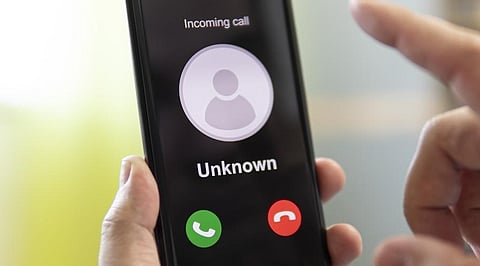
The Department of Telecommunications (DoT) directed telecom operators to introduce Calling Name Presentation (CNAP) across India from November 1, 2026. The service will display a caller’s name alongside their phone number, helping users identify incoming calls from unfamiliar numbers.
The directive covers telecom operators, including Reliance Jio, Bharti Airtel, Vodafone Idea and state-owned BSNL. The initial rollout will cover 4G and newer mobile networks, including 5G. The government will consider implementation on 2G, 3G and fixed-line networks separately.
CNAP will use subscriber information maintained by telecom operators to identify incoming calls. When a person receives a call, the phone screen will display the caller’s number and the name recorded in the originating operator’s subscriber database.
If the recipient has saved the number in their contacts, the phone will continue to display the saved name. For unsaved domestic numbers, the system will show the name associated with the caller’s telecom connection. International calls will display the label ‘International Call’.
Unlike third-party caller identification applications, CNAP will rely on telecom operators’ records rather than crowdsourced databases.
The new framework allows eligible business and bulk connections to display a preferred name instead of the name recorded in the operator’s subscriber database. Businesses should provide supporting documents to verify their preferred names. These names must meet the prescribed registration requirements, including registration as a trademark or a qualifying trade name on the Goods and Services Tax portal.
However, CNAP cannot eliminate spam or guarantee that every call is genuine. The displayed name reflects telecom subscriber records and may not always identify the person actually speaking. Users should remain cautious about requests for OTPs, banking details and other sensitive information.
Also Read: SpaceX Spectrum Deal Sparks Telecom Stock Selloff as Starlink Expands
