.png)

Modern backup cameras improve rear visibility and help drivers detect obstacles while reversing safely.
Wireless and wired systems offer different benefits depending on vehicle type, installation needs, and user preferences.
Choosing the right camera requires checking image quality, viewing angle, night vision, and durability.
A backup camera has become an important safety feature for many drivers, especially those who regularly handle large vehicles, like trucks and SUVs. These cameras improve rear visibility and help drivers spot obstacles, pedestrians, and other vehicles while reversing.
Although many modern cars come equipped with rear cameras by default, some systems can be installed in older cars to provide this functionality. Modern cameras offer better picture quality and viewing angles and are also easier to install.
An exceptional rear camera depends on many factors, including image clarity, night visibility, screen quality, and more. After testing different camera models, some options performed better than others; these are listed below.
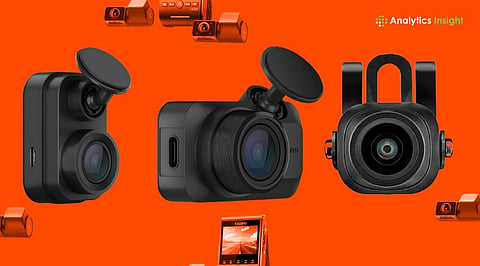
The Garmin BC 50 is designed for drivers who need a reliable rearview without complex wiring. The wireless system makes installation easier, especially for larger vehicles where running cables can be difficult.
The camera provides a clear view behind the vehicle and works well for trucks, campers, and SUVs. Its durable design makes it suitable for outdoor use, while the wide viewing area helps drivers monitor more of the surrounding area when reversing.
The eRapta backup camera system is aimed at drivers who want wider coverage. Some versions support multiple cameras, making them useful for trucks, commercial vehicles, and larger vehicles where a single rear camera may not provide sufficient visibility.
The system offers a dedicated display and focuses on providing a broader view around the vehicle. It can help drivers manage blind spots while parking or reversing.
Auto-Vox CS-2 focuses on easy installation and everyday convenience. It uses a wireless connection between the camera and display, reducing the need for complicated wiring.
The system is suitable for drivers who want to add a backup camera to an older vehicle without major modifications. Its compact design makes it practical for regular cars and small SUVs.
Large vehicles often require stronger camera systems, and the Furrion Vision S is designed with RV owners in mind. It provides a wider rear view and can help drivers handle large vehicles in tight spaces.
The system focuses on improving visibility while reversing, parking and changing lanes. It is especially useful for drivers who travel with trailers or recreational vehicles.
For drivers looking for an affordable upgrade, the LeeKooLuu LK6 offers basic backup camera features without a high price tag. It includes a display and camera setup designed for everyday reversing needs.
It may not offer the advanced features of premium systems, but it provides essential rear visibility for drivers who want a simple solution.
In addition to the product’s cost, some other elements should be considered when choosing a backup camera, as the needs of various cars vary:
Image Quality: A good image is one of the main criteria that is necessary in order to see the objects around and estimate the distance between them while backing up.
Night Vision Capabilities: This is an essential element of the camera since it can help in safe parking in low-light environments.
Process of Installing the Product: Some of the cameras need professional installation; others can be installed easily by any user. The vehicle size is also one of the aspects.
Viewing Angle: A wide viewing angle can be a helpful option as it will cover a larger surface behind the car. It is an essential factor for trucks, SUVs, and RVs.
Wired and Wireless Systems: There are wired cameras with a stable connection and wireless cameras that can be installed more easily.
An excellent backup camera can enhance both safety and ease when you drive on a daily basis, particularly if you have a truck or an SUV. The proper backup camera would depend on your car’s dimensions, installation requirements, and budget. If your car is bigger, then backup cameras that provide more coverage and dependable wireless functionality are recommended, but simpler systems suit smaller cars. In any case, purchasing a quality backup camera is definitely worth the money.
Also Read: Best Cameras for Content Creators & YouTubers in 2026
The best backup camera depends on your vehicle and requirements. Wireless models are suitable for easy installation, while advanced systems offer better coverage, image quality and additional safety features.
Yes, wireless backup cameras are reliable for many drivers. They provide easier installation and good performance, especially for older vehicles where adding wired connections may require extra work.
Trucks and large vehicles benefit from backup cameras with wider viewing angles and stronger coverage. Systems designed for bigger vehicles help reduce blind spots and improve reversing control.
Buyers should consider camera resolution, night vision, viewing angle, installation method and display quality. These features decide how clearly drivers can see behind the vehicle in different conditions.
Yes, aftermarket backup cameras can be installed in older cars without factory camera systems. Many models are designed for simple upgrades and provide better rear visibility while driving.
