.png)

Smart plugs can reduce unnecessary electricity use through scheduling, timers, and automatic shutoffs.
Energy monitoring helps users identify appliances that consume more power than expected.
Savings depend on appliance usage, electricity rates, and how effectively smart features are configured.
Smart plugs are becoming a simple entry point into smart home technology. They can control appliances remotely and monitor electricity usage. However, buying one does not automatically reduce your power bill.
The savings come from changing how appliances operate. Scheduling, monitoring, and automatic shutoffs can prevent unnecessary electricity consumption. Now, smart plugs also offer better energy tracking and app controls. Let’s take a look at how smart plugs can help reduce your electricity bill.
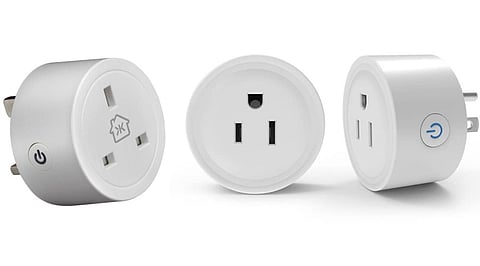
A smart plug sits between an appliance and a wall outlet. It controls when electricity reaches the connected device. Many models also provide energy monitoring through a smartphone application.
This can help identify appliances that consume power unnecessarily. Users can switch devices off when they are not needed. Scheduling can also prevent appliances from running during empty hours.
For example, a desk setup may remain powered overnight. A smart plug can automatically shut it down after work. The savings from one device may be small. Several devices can create more meaningful savings over time.
Also Read: Smart Cleaning Gadgets Your Home Needs After Monsoon 2026
Energy monitoring can be more valuable than remote control. Some smart plugs display electricity consumption through their companion apps. Users can compare consumption across different devices. This information can reveal unexpected electricity usage around the home.
For instance, an old appliance may consume more power than expected. Monitoring can help identify such patterns before they become expensive. However, measurement accuracy varies between products. Users should treat displayed figures as estimates unless accuracy specifications are provided.
Smart plugs differ considerably despite having similar appearances. Energy monitoring should be a priority for users focused on reducing bills. Scheduling is another useful feature. It allows appliances to turn on or off automatically. Countdown timers are useful for devices requiring temporary operation.
Compatibility also matters. Some plugs work with Alexa, Google Home, or Apple Home. Others operate mainly through proprietary smartphone applications. Look for strong Wi-Fi connectivity and reliable automation. Matter support can also improve compatibility across modern smart-home ecosystems.
Safety should remain the first consideration. Check the plug's maximum load and electrical certification. Avoid using unsuitable plugs with high-powered appliances.
A smart plug does not make an appliance more energy efficient. It simply controls electricity supplied to that appliance. Savings depend entirely on how the plug is configured. Leaving the device permanently connected changes very little.
Energy monitoring also requires user action. Identifying high consumption is useful only when behavior changes afterward. Smart plugs work best as part of a broader energy management strategy. Efficient appliances, sensible temperature settings, and reduced operating hours remain important.
Some electronic devices continue drawing small amounts of electricity when switched off. This is commonly called standby power. Individually, the consumption may appear insignificant. However, multiple devices can remain connected throughout the year.
A smart plug can disconnect these devices completely during periods of inactivity. This can eliminate unnecessary standby consumption. The savings will depend on the appliance and local electricity rates. Users should therefore measure consumption before expecting significant reductions.
Why This Matters
Many smart plugs support schedules, countdown timers, and automation routines. Users can set devices to switch off at specific times or after certain periods. This can prevent appliances from running unnecessarily when nobody is using them.
Also Read: Top Smart Home Gadgets Under Rs. 10,000
Smart plugs can lower electricity bills, but they are not miracle devices. Their value comes from preventing unnecessary appliance usage. Energy monitoring can help households understand where electricity goes. Scheduling can then reduce avoidable consumption.
The best results usually come from several small changes. A television, gaming setup, lighting system, and desk equipment can all benefit. Before purchasing, check energy monitoring, load capacity, connectivity, compatibility, and safety certifications. Users should also compare the plug's price against expected savings.
For households seeking better control over electricity consumption, smart plugs can be useful. The technology works best when convenience leads to measurable changes in daily habits.
Yes, smart plugs can help lower electricity bills by reducing unnecessary appliance usage. They can schedule shutdowns, prevent extended standby periods, and provide energy-use information. However, the plug itself does not make an appliance more efficient. Savings depend on changes in daily usage.
There is no fixed amount that every smart plug can save. Savings depend on the connected appliance, operating hours, standby consumption, and local electricity rates. A plug controlling several devices or frequently used equipment may provide greater savings than one connected to an occasional-use appliance.
Smart plugs require some electricity to maintain connectivity and operate their internal electronics. This consumption is usually small compared with the energy used by connected appliances. Users focused on savings should consider the plug's own power consumption when evaluating overall electricity reductions.
Smart plugs can help reduce standby consumption by completely disconnecting selected devices from the electrical supply. This can be useful for televisions, gaming consoles, desk equipment, and other electronics. The actual savings depend on how much standby power those devices normally consume.
Smart plugs work well with devices that have predictable usage patterns. Lamps, televisions, gaming consoles, desk equipment, fans, and some chargers can benefit from scheduled operation. High-power appliances require extra caution because their electrical load may exceed the plug's rated capacity.
