.png)

Have you ever given up on buying something online because the checkout process took too long? According to the Baymard Institute, around 70% of online shopping carts are abandoned. Customers abandon their carts for various reasons, including a frustrating checkout process.
Luckily, companies have now come up with several ways of making payments simple, quick, and secure. Here are a few ways innovation is reshaping the digital customer experience.
In today’s world, people are accustomed to convenience. They can have food delivered, call a taxi, transfer funds, or shop in just a matter of seconds.
When they encounter lengthy forms at checkout or are asked to repeatedly enter card details, the process can feel like an unnecessary hassle. New payment solutions can help businesses remove many of the obstacles consumers face during checkout.
By using saved card details, online wallets, one-click purchase, and multiple other solutions, fewer steps will stand between the decision to make a purchase and executing it. While it may seem like a small detail, a smooth checkout process can significantly improve the shopping experience.
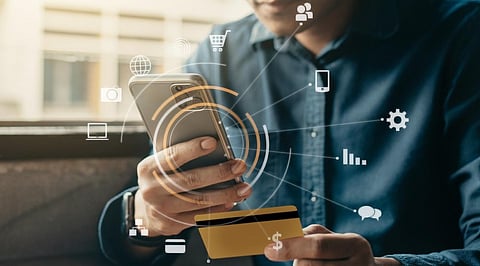
Mobile and contactless payments have become a part of everyday life. Nowadays, most people are familiar with mobile payments and how they work. The advent of mobile banking has enabled customers to perform banking activities from their mobile devices, including checking account balances, transferring money, purchasing goods, or paying bills.
Mobile wallets have greatly simplified the payment process. Users do not have to take out their bank cards as they can just tap or select their preferred payment method.
Most people think personalization is about the suggestions or recommendations of products, emails, and advertising messages. However, personalization becomes effective in the payment process as well.
Imagine you are going to a site with an already selected payment method. You do not have to look for your credit or debit card or to repeat several actions. All you need to do is review your order and pay for it.
This is one reason businesses are paying more attention to an embedded payments strategy. They use embedded payments within their applications, websites, and digital platforms and do not send clients to other portals for payment.
Businesses need to provide payment systems that are both easy to use and secure. Customers want to know that their payment details and sensitive information are kept safe by businesses.
Any payment option that appears too complex can raise concerns about the safety of the customer’s data. Fortunately, companies use technologies such as encryption, tokenization, authentication, and fraud monitoring to secure transactions.
Most of these processes happen in the background, allowing customers to complete payments without dealing with the underlying security measures
The payment infrastructure is something that most customers do not think about when things are going well. They just hit ‘pay’ and go about their business. Things change when things go wrong.
Common problems include:
A payment fails without a clear explanation
A checkout page freezes
A refund takes too long to process
Suddenly, something that should take a few seconds can turn into a frustrating ordeal. Modern payment infrastructure enables businesses to tackle problems more effectively. Connecting different payment methods, currencies, platforms, and processes can make payment operations easier to manage.
The most effective innovations in payment are not always noticed by the customers. In many cases, the best technology is the one that silently eliminates an issue. Customers prefer payments to be quick, secure, convenient, and trustworthy; what technology makes it possible does not interest them.
For businesses, it is important to understand payments as an essential element of customer journeys. A good product and an attractive website can bring customers to the checkout, but a complicated payment experience can cause them to abandon their purchase. As digital commerce continues to evolve, businesses that make payments seamless will be better positioned to meet rising customer expectations.
