.png)

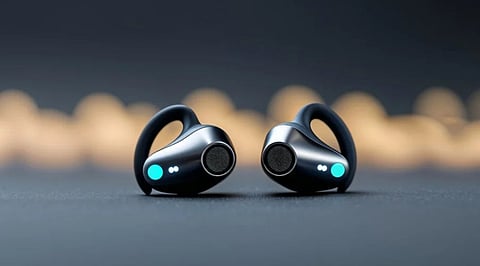
Wireless earbuds are evolving beyond music, calls, and basic audio playback.
New features now include health tracking, translation, hearing assistance, recording, and adaptive sound.
Now, earbuds are becoming compact wearable devices for everyday digital experiences.
Wireless earbuds have become everyday companions for millions of users worldwide. Music and phone calls remain their primary functions. However, modern earbuds are gaining health, communication, productivity, and accessibility features.
Now, premium models can track workouts, translate conversations, improve hearing, and adapt sound automatically. Some products are also adding recording and transcription features. This shift is turning earbuds into compact wearable computing devices rather than simple audio accessories.
Traditional wireless earbuds mainly focus on audio playback and calls. Today's models combine microphones, sensors, processors, and software. These components allow earbuds to respond differently to changing situations.
Adaptive noise cancellation is one example. The earbuds can adjust noise reduction based on surrounding sounds. Users can therefore move between offices, trains, airports, and streets more comfortably.
Premium models are also improving connectivity and ecosystem integration. Some earbuds can switch between devices or work closely with smartphones. This makes them useful throughout the day, not only during listening sessions.
Also Read: Top 10 Wireless Earbuds Under Rs. 5000
Health tracking is becoming an important feature category for premium earbuds. Some models now include sensors for monitoring heart rate during workouts. Apple's AirPods Pro 3, for example, combine a PPG sensor with motion sensors. They can track heart rate and support multiple workout types.
Hearing-related features are also becoming more advanced. Modern earbuds can perform hearing tests and personalize audio settings. Some provide hearing assistance features for users with hearing difficulties.
These developments could make earbuds more relevant to everyday wellness. However, users should not treat consumer sensors as replacements for medical equipment.
Language translation is another major development in wireless earbuds. Several products now offer translation through connected smartphones and dedicated software. Samsung's Galaxy Buds can work with its Interpreter tools. Apple's AirPods Pro 3 also support Live Translation through Apple Intelligence. Dedicated products such as Timekettle's W4 Pro focus heavily on multilingual conversations.
This technology could be particularly useful for international travelers. Business users may also benefit during meetings and informal conversations. Translation still has limitations, however. Accuracy can depend on accents, background noise, internet access, and language support. Users should therefore treat it as a helpful tool rather than a perfect interpreter.
Wireless earbuds are increasingly being used in workplace settings. New models can record conversations and create transcripts. Nothing Ear (3a), for example, includes an Audio Snapshot feature for recording and transcribing audio.
This could help users capture meeting notes without constantly using their phones. Students could also use similar features for lectures and study sessions. However, recording conversations creates privacy concerns. Users should understand local recording laws and obtain consent when necessary. Companies may also need clear policies for workplace recordings.
Battery life remains one of the biggest challenges for wireless earbuds. Tiny batteries naturally have limited capacity. Frequent charging can also reduce battery health over time.
Manufacturers are beginning to address the problem differently. Sennheiser's Momentum True Wireless 5 introduces replaceable batteries for the earbuds and charging case. The company is positioning repairability as an important part of its design.
This could become a significant trend across the category. Longer product lifespans would reduce electronic waste. They could also make premium earbuds more attractive as long-term purchases.
Also Read: How Camera-Equipped Earbuds Could Change Future of Wearable Technology?
The next generation could make earbuds even more useful throughout the day. Future products may combine better hearing assistance, translation, health tracking, and personalized sound.
AI-powered audio processing is also expected to improve personalization. Industry executives increasingly see adaptive sound and environmental awareness as important future developments.
The biggest change is therefore not just better music. Earbuds are becoming interfaces between people and their digital lives. For consumers, this creates more choices but also new considerations. Battery life, privacy, compatibility, repairability, and useful features matter alongside sound quality.
Wireless earbuds now offer features beyond traditional audio playback. Modern models can support fitness tracking, hearing assistance, translation, recording, and adaptive sound. These capabilities make earbuds useful across different parts of daily life. Instead of functioning only as headphones, they are increasingly becoming compact wearable devices connected to smartphones and other digital services.
Some advanced wireless earbuds can track selected health and fitness measurements. Certain models use sensors to monitor information such as heart rate during workouts. Other earbuds offer hearing tests or hearing assistance features. However, these devices are designed for consumer use. Their measurements should not be considered a replacement for professional medical equipment.
Yes, some modern earbuds can support real-time conversation translation. These features usually depend on a connected smartphone and compatible software. Translation performance can vary based on language support, background noise, accents, and internet connectivity. Therefore, travelers can find the feature useful, but it should not always be treated as a perfect replacement for human translation.
Some newer earbuds include recording, transcription, and voice-related features. These capabilities can help users capture meeting notes, reminders, lectures, or important conversations. They can reduce the need to repeatedly reach for a smartphone. However, recording other people may require permission. Users should always consider local privacy laws and workplace policies.
Adaptive noise cancellation automatically adjusts noise reduction according to surrounding conditions. For example, earbuds can respond differently inside an airplane, office, or busy street. This can improve listening comfort without requiring constant manual adjustments. The effectiveness depends on the earbuds, microphones, software, and surrounding environment.
