.png)

Cold wallets remain one of the strongest ways to protect cryptocurrency because private keys stay isolated from permanently internet-connected devices. However, security architecture, transaction verification, connectivity and recovery methods differ significantly between products.
Below are the cold wallets to watch for September.
Ledger Flex combines an EAL6+ certified Secure Element with a 2.84-inch E Ink touchscreen. The screen is controlled directly by the Secure Element, helping users verify transaction details on the device rather than relying entirely on a phone or computer. It supports Bluetooth, USB-C and NFC connectivity.
Trezor Safe 5 is aimed at users prioritizing open-source software. It uses an EAL6+ Secure Element, a 1.54-inch color touchscreen and USB-C connectivity, while supporting more than 9,000 assets through Trezor Suite and third-party integrations.
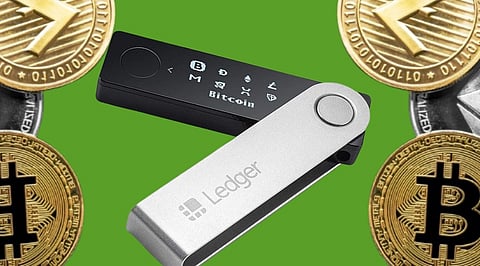
Nano X remains a portable option for users who want Bluetooth connectivity. It uses a Secure Element, supports USB-C and can manage a wide range of assets through Ledger’s software ecosystem.
Tangem uses card-sized hardware containing an EAL6+ Secure Element and connects through NFC. Users can choose a seedless card-to-card backup setup or an optional BIP39 seed phrase. Its main trade-off is the lack of a screen for independently checking transaction details.
SafePal S1 uses QR codes for transaction signing rather than Bluetooth or Wi-Fi. The air-gapped design and EAL5+ Secure Element make it attractive to users seeking inexpensive offline signing.
Keystone focuses on QR-based signing and multisignature users. Its disconnected architecture reduces dependence on wired or wireless communication during transaction approval.
OneKey Pro combines a 3.5-inch touchscreen with multiple EAL6+ Secure Elements, plus Bluetooth, NFC and QR functionality.
Ellipal offers a large touchscreen and QR-based air-gapped transaction workflow, making it useful for users who want to avoid ordinary USB or Bluetooth signing.
BitBox02 offers a compact USB-C design and is particularly suited to Bitcoin and Ethereum-focused users. Ledger’s 2026 comparison: Bitcoin's supported asset count is above 1,500.
Safe 3 provides a simpler, lower-cost entry into Trezor’s open-source ecosystem while retaining Secure Element protection.
No wallet eliminates user error. Buyers should prioritize secure transaction verification, authentic devices, protected backups, and direct purchases from manufacturers or authorised sellers rather than ranking wallets purely by price.
Cold wallets store private keys away from any system that is always connected, this reduces risk, but it does not settle the issue. The bigger part is what happens around backups, approvals, and how recovery is planned. The best choice depends on priorities such as air-gapped signing, Secure Element protection, open-source software, or portability. Regardless of the device, buying from an authorised source and verifying every transaction remain essential.
Also Read: Crypto Wallet Security Trends to Watch in Q4 2026
1. What is a cold wallet in crypto?
A cold wallet stores private keys away from devices that are permanently connected to the internet. This can reduce exposure to online attacks, although users still need to secure backups and verify transactions carefully.
2. Which cold wallet is best for beginners?
Trezor Safe 3, SafePal S1 and Ledger Nano X are among the simpler options in the list. The best choice depends on whether the user prioritizes price, portability, open-source software or air-gapped signing.
3. Are cold wallets completely safe from hacking?
No. Cold wallets reduce online exposure, but they cannot eliminate risks caused by phishing, malicious approvals, compromised backups or buying tampered devices from unauthorized sellers.
4. What is the difference between air-gapped and connected cold wallets?
Air-gapped wallets such as SafePal S1 and Ellipal Titan 2.0 can use QR-based signing without ordinary Bluetooth or Wi-Fi connections. Other wallets may use USB-C, Bluetooth or NFC while still keeping private keys protected inside the device.
5. What should I check before buying a hardware wallet?
Users should consider Secure Element protection, transaction verification, recovery options, supported assets and connectivity. Buying directly from the manufacturer or an authorised seller is also important to reduce supply-chain risks.
Join our WhatsApp Channel to get the latest news, exclusives and videos on WhatsApp
_____________
Disclaimer: Analytics Insight does not provide financial advice or guidance on cryptocurrencies and stocks. Also note that the cryptocurrencies mentioned/listed on the website could potentially be risky, i.e. designed to induce you to invest financial resources that may be lost forever and not be recoverable once investments are made. This article is provided for informational purposes and does not constitute investment advice. You are responsible for conducting your own research (DYOR) before making any investments. Read more about the financial risks involved here.
